
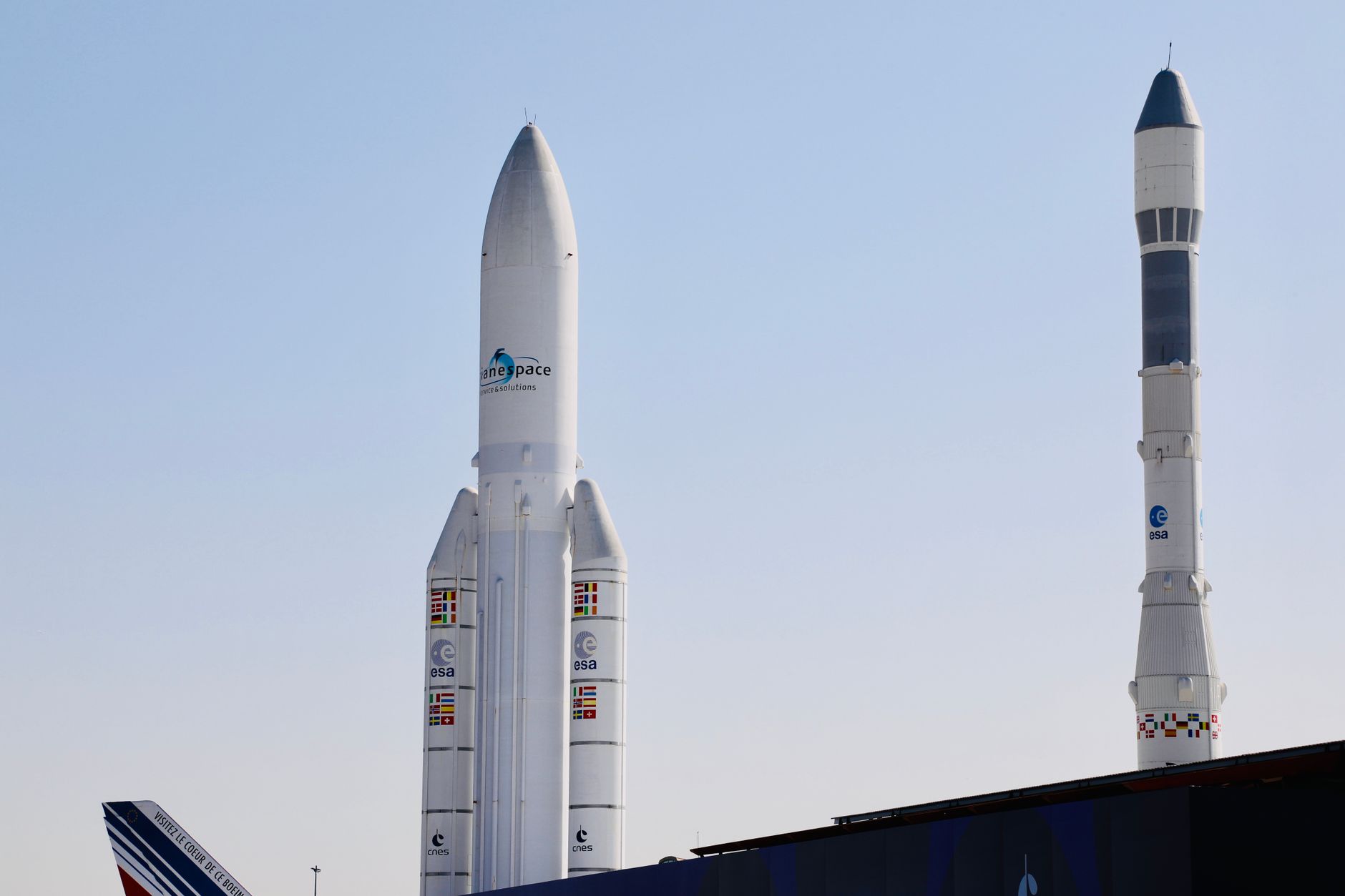
The German commercial rocket is paving the way for Europe’s autonomy in the satellite launch market. This development signifies a major step forward in reducing reliance on external launch services.
Understanding the German Commercial Rocket
The emergence of the German commercial rocket marks a significant shift in Europe’s approach to satellite launches. This innovative technology aims to enhance the continent’s independence from foreign launch providers, particularly in a market dominated by established players.
Key features of the German commercial rocket include:
- Cost Efficiency: Designed to reduce launch costs, making satellite deployment more accessible for various sectors.
- Rapid Turnaround: Capable of launching multiple times a year, enhancing responsiveness to market demands.
- Advanced Technology: Incorporates cutting-edge engineering and materials, ensuring reliability and performance.
With these advancements, the German commercial rocket positions Europe to compete more effectively, fostering innovation and boosting local economies. As nations increasingly prioritize space capabilities, this new entrant could redefine the satellite launch landscape.
Impact on the European Space Market
The emergence of the German commercial rocket is poised to significantly impact the European space market. As countries strive for greater autonomy in satellite launches, this innovative development allows Europe to reduce its reliance on external providers.
Key benefits of the German commercial rocket include:
- Cost Efficiency: Lower launch costs compared to traditional methods, increasing accessibility for smaller companies.
- Increased Launch Frequency: The ability to launch more satellites in shorter timeframes, enhancing responsiveness to market demands.
- Technological Advancements: Incorporation of cutting-edge technology that improves performance and reliability.
This shift not only strengthens Europe’s position in the global space industry but also fosters innovation and competition. As the German commercial rocket gains traction, it paves the way for a more self-sufficient and dynamic European satellite launch landscape.
Technological Innovations Driving Change
The landscape of satellite launches is rapidly evolving, with technological innovations playing a pivotal role in shaping the future of the industry. The German commercial rocket program is at the forefront of these advancements, implementing cutting-edge solutions aimed at enhancing launch efficiency and reliability.
Key innovations include:
- Reusable Launch Systems: By developing rockets that can be reused multiple times, costs are significantly reduced, making satellite deployment more accessible.
- Automated Launch Procedures: Automation in launch operations minimizes human error, streamlining the process and ensuring precise mission execution.
- Advanced Propulsion Technologies: Enhanced propulsion systems are improving payload capacity and reducing environmental impact, aligning with global sustainability goals.
These technological strides not only bolster Germany’s position in the space sector but also contribute to Europe’s overall autonomy in the satellite launch market.
Comparing Global Launch Capabilities
As the demand for satellite launches continues to rise, the landscape of global launch capabilities is evolving rapidly. Countries such as the United States and China have long dominated the sector, but the emergence of the German commercial rocket signifies a shift towards greater autonomy in Europe. This rocket offers competitive alternatives to established players by providing flexible launch schedules and reduced costs.
When comparing global launch capabilities, several factors come into play:
- Reliability: The German commercial rocket has undergone rigorous testing, ensuring a high success rate for payload delivery.
- Cost-effectiveness: With advancements in technology, launch costs are expected to decrease, making space more accessible.
- Environmental considerations: Innovations in propulsion systems aim to minimize the environmental impact of launches.
In conclusion, the German commercial rocket not only enhances Europe’s position in the satellite launch market but also encourages a more diversified global landscape.
Challenges Ahead for Commercial Rockets
As the German commercial rocket industry gains momentum, several challenges lie ahead that could impact its growth and sustainability. Key obstacles include:
- Regulatory Hurdles: Navigating the complex landscape of national and international regulations can slow down the pace of innovation.
- Funding and Investment: Securing sufficient financial backing is essential for research and development, yet remains a significant hurdle for many startups.
- Competition: With established players dominating the global launch market, new entrants must differentiate themselves and prove reliability.
- Technological Barriers: Developing advanced propulsion systems and ensuring safety during flight are critical for success in the commercial space sector.
Despite these challenges, the potential of the German commercial rocket to enhance autonomy in the satellite launch market remains strong, paving the way for future advancements and collaboration within Europe.
The Future of Satellite Launches in Europe
The landscape of satellite launches in Europe is evolving rapidly, particularly with the emergence of the German commercial rocket. This innovative approach not only enhances the continent’s capabilities but also fosters greater autonomy in the space sector. As European nations seek to reduce reliance on foreign launch providers, the German commercial rocket represents a significant step forward.
Several factors contribute to the promising future of satellite launches in Europe:
- Increased Efficiency: The German commercial rocket is designed for quicker turnaround times, making it more competitive in the global market.
- Cost-Effectiveness: By streamlining operations, the rocket offers a more affordable option for satellite deployment.
- Local Expertise: The development of the German commercial rocket showcases the growing talent and innovation within Europe.
As the demand for satellite services continues to rise, the German commercial rocket positions Europe as a key player in the future of space exploration.
How This Affects Global Space Policy
The emergence of the German commercial rocket is poised to significantly influence global space policy. As Europe seeks to enhance its autonomy in the satellite launch market, this development could shift the balance of power in the space industry.
Key implications include:
- Increased Investment: Nations may invest more in domestic launch capabilities, fostering innovation and competition.
- Strategic Partnerships: Collaboration between European countries could strengthen collective capabilities and foster a unified approach to space exploration.
- Regulatory Frameworks: As commercial rocket technology matures, new regulations may emerge to ensure safety and sustainability in space activities.
The German commercial rocket’s advancements are likely to inspire other nations to pursue independent launch solutions, thereby reshaping the global landscape of satellite deployment and reinforcing the importance of self-sufficiency in space operations.
Photo by Léa Claisse on Pexels
Where this came from
You might also like
Jio anniversary plan: Best Free Gemini AI Pro Offer · Earth Observation Satellite: Is ISRO’s Launch the Best Yet? · Discovering Digital Entertainment Categories Through the Jusoongil Guide