
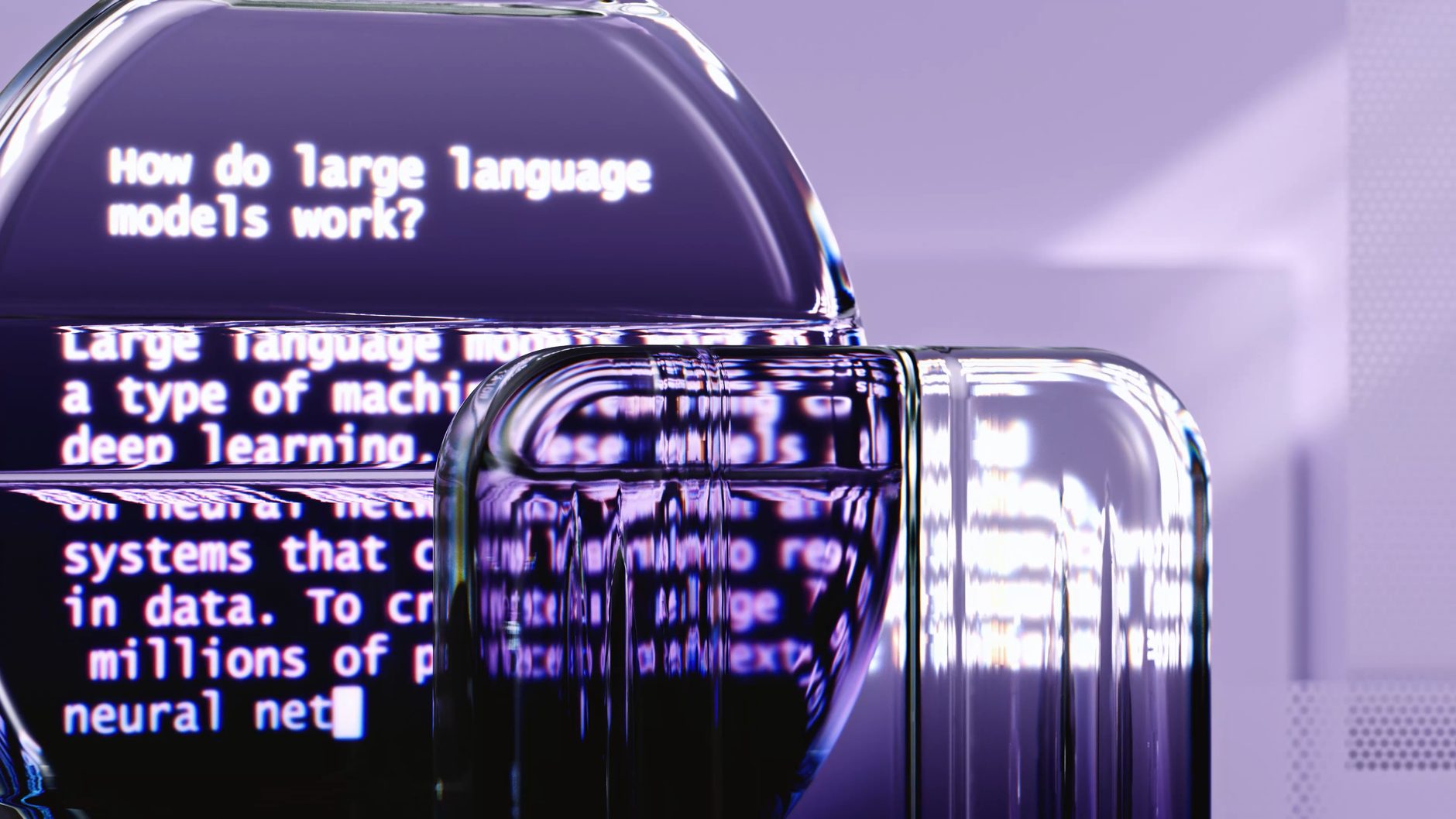
AI models future are being shaped by innovative tools like Claude. Anthropic reveals how much work Claude handles in building advanced AI models.
What is Claude and Its Role in AI?
Claude is an advanced AI model developed by Anthropic, designed to revolutionize the landscape of artificial intelligence. This innovative tool plays a crucial role in shaping the future of AI models by enhancing their capabilities and efficiency.
One of the key features of Claude is its ability to understand and process natural language with remarkable accuracy. This allows users to engage in more meaningful interactions, making it a valuable asset for businesses and developers alike. The model is built on principles of safety and alignment, which ensures that it operates within ethical boundaries while delivering high-quality outputs.
According to Anthropic, Claude is not just another AI tool; it is a pivotal element in the ongoing evolution of AI technology. The model is reportedly capable of handling a significant volume of tasks, ranging from content generation to complex problem-solving. This versatility positions Claude as a frontrunner in the race to create next-generation AI models.
In summary, Claude represents a significant step forward in the pursuit of advanced AI solutions. As we look toward the future of AI models, its contributions may prove to be instrumental in achieving greater advancements and innovations in the field.
How Claude Improves AI Model Development
Claude, developed by Anthropic, represents a significant leap forward in the development of AI models. By leveraging advanced natural language processing techniques, Claude enhances not only the efficiency but also the effectiveness of AI model training. This improvement in AI model development is crucial as the demand for more capable and reliable AI systems continues to grow.
One of the standout features of Claude is its ability to understand context and respond with a high degree of relevance. This capability allows developers to create AI models that can better interact with users, providing more accurate and meaningful responses. As a result, the potential applications of AI models powered by Claude are vast and varied.
Moreover, Claude significantly reduces the workload for AI researchers and developers by automating various processes involved in model training. This includes:
- Data preprocessing: Streamlining the preparation of training datasets.
- Model fine-tuning: Adjusting parameters to optimize performance.
- Performance monitoring: Analyzing outputs to ensure models meet quality standards.
In essence, Claude is not just a tool; it is a pivotal element in shaping the future of AI models, driving progress in ways previously thought unattainable.
Challenges in Building Future AI Models
As the development of AI models continues to advance, several challenges persist that could impact the future of these technologies. One significant issue is data quality. AI models rely heavily on large datasets, and if the data is biased or incomplete, it can lead to inaccurate results and reinforce existing stereotypes. Ensuring high-quality training data is essential for building reliable models.
Another challenge is computational resources. Training sophisticated AI models like Claude requires immense computational power, which can be costly and environmentally taxing. As organizations strive to innovate, finding sustainable solutions that balance performance and resource consumption will be crucial.
Moreover, there is the interpretability of AI models to consider. Many advanced models, including Claude, function as black boxes, making it difficult for users to understand how decisions are made. Enhancing transparency is vital for fostering trust in AI technologies and ensuring they are used responsibly.
Finally, navigating the ethical implications of AI development remains a pressing concern. As AI models become more integral to various sectors, addressing issues related to privacy, security, and accountability will shape the future AI models landscape. Overcoming these challenges is essential for maximizing the potential of AI models like Claude.
The Impact of Claude on AI Technology
The emergence of Claude has significantly influenced the trajectory of AI technology. As a state-of-the-art AI model developed by Anthropic, Claude is not just a tool; it represents a paradigm shift in how we approach AI model development. Its ability to handle complex tasks efficiently is redefining expectations for future AI models.
One of the most notable impacts of Claude is its emphasis on safety and alignment. By prioritizing these aspects, Claude sets a standard that other AI models may strive to achieve in the coming years. This approach not only enhances user trust but also ensures that AI technology aligns more closely with human values.
Moreover, the integration of Claude’s capabilities into various applications has been transformative. Industries ranging from healthcare to finance have begun to leverage Claude’s advanced functionalities, which allows for more precise predictions and analyses. This positions Claude as a frontrunner in shaping the AI models future.
However, the journey is not without challenges. As Claude continues to evolve, the ongoing need for transparency and ethical considerations will play a crucial role in determining its long-term success. Stakeholders must remain vigilant to navigate the complexities of deploying such advanced AI systems responsibly.
Future Trends in AI Models
As the landscape of artificial intelligence continues to evolve, several future trends in AI models are becoming increasingly clear. These trends are shaping how technology will be integrated into various sectors and how tools like Claude will influence progress.
One major trend is the growing emphasis on collaborative AI, where multiple models work together to enhance performance and efficiency. This approach allows for more robust solutions that can handle complex tasks by leveraging the strengths of different AI systems.
Another significant development is the focus on ethical AI, where developers prioritize transparency and fairness. As AI models become more prevalent, ensuring that they operate without bias and respect user privacy is crucial. Claude’s design reflects this trend, aiming to create safer interactions between AI and users.
Furthermore, the integration of real-time learning capabilities in future AI models will enable these systems to adapt quickly to new data and evolving circumstances. This adaptability is essential for maintaining relevance in fast-paced industries.
Overall, the future of AI models appears bright, with advancements driven by tools like Claude, which are pivotal in shaping this technology’s trajectory. The commitment to improving AI models promises exciting developments that will redefine our interaction with intelligence systems.
As we explore the AI models future, it becomes clear that tools like Claude play a significant role in shaping our technological landscape. The discussion surrounding the AI models future highlights the importance of continuous improvement and innovation in artificial intelligence.
Photo by Google DeepMind on Pexels
Read the original
SpaceX price targets: Clear insights into analyst opinions · WhatsApp guest caller feature: Best simple update for users · Gmail AI Inbox: The Best Smart Upgrade for Workspace Users