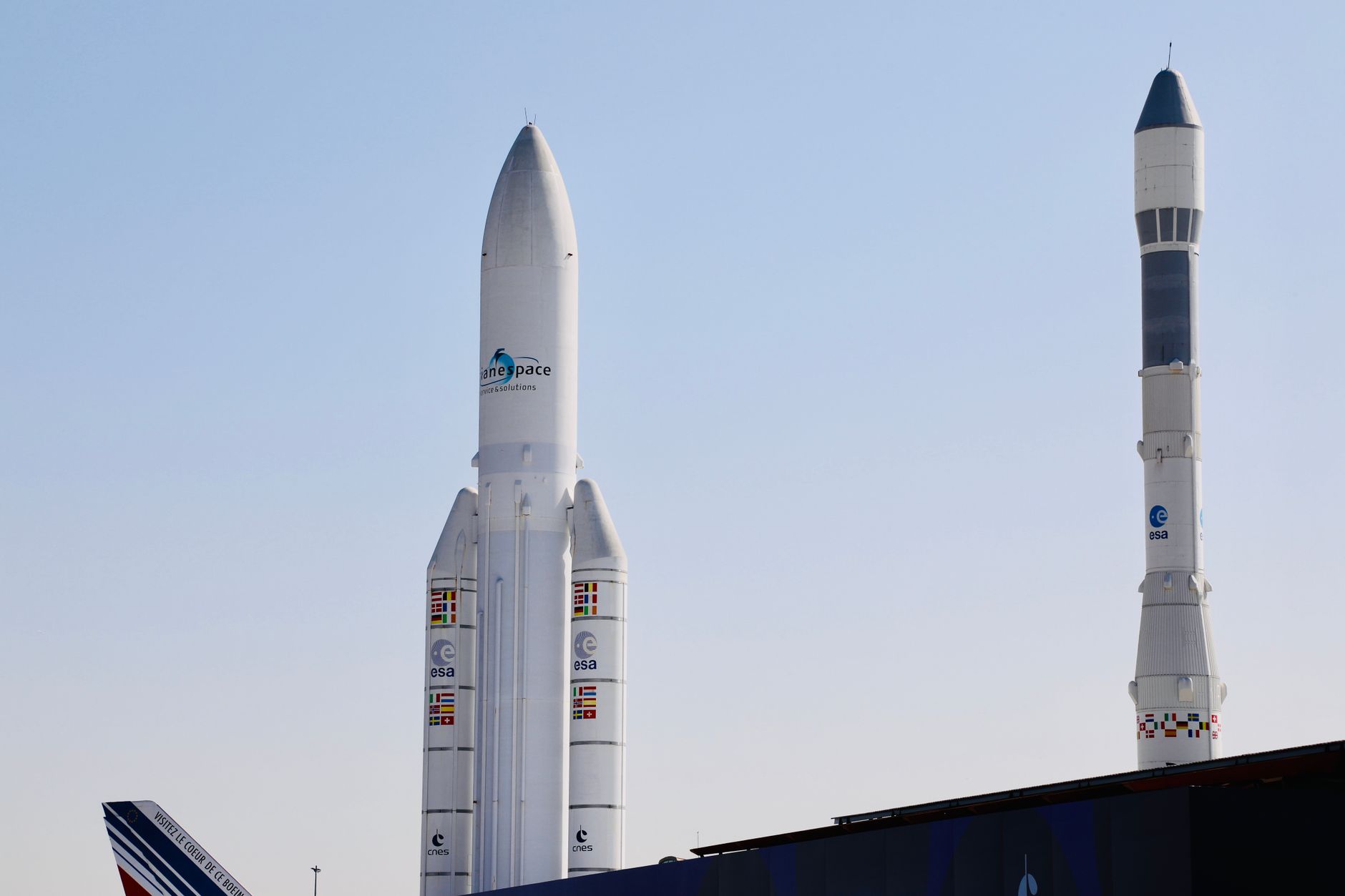
The ISRO NVS-03 launch marks a pivotal moment in India’s space exploration. This new navigation satellite promises to enhance precision and reliability in positioning services.
Introduction to ISRO NVS-03
The recent ISRO NVS-03 launch marks a significant milestone in India’s space exploration and navigation capabilities. This advanced satellite is part of the Navigation with Indian Constellation (NavIC) program, which is designed to provide accurate positioning services to users across the country and surrounding regions.
The NVS-03 is equipped with cutting-edge technology that enhances its performance and reliability. It offers several key features that set it apart from its predecessors:
- Improved Accuracy: The satellite is designed to deliver precise location data, essential for various applications including transportation, agriculture, and disaster management.
- Enhanced Coverage: NVS-03 expands the operational coverage of NavIC, ensuring that users in remote areas also benefit from satellite navigation.
- Advanced Signal Processing: This satellite utilizes sophisticated signal processing techniques to improve the robustness of navigation signals, making it less susceptible to interference.
- Longer Lifespan: With an expected operational life of around 12 years, it ensures long-term reliability for navigation services.
The ISRO NVS-03 launch represents India’s commitment to advancing its space technology and providing critical navigation services to bolster economic growth and connectivity.
Key Features of the Satellite
The ISRO NVS-03 launch marks a significant milestone in India’s space exploration efforts, particularly in navigation technology. This satellite is equipped with several key features that enhance its capabilities and performance.
- Advanced Navigation Signals: The NVS-03 satellite is designed to provide robust navigation signals for various applications, ensuring precision in location tracking.
- Multi-Constellation Support: It supports multiple satellite constellations, allowing users to access a wider range of navigation services and improving accuracy.
- Enhanced Coverage: With an expanded coverage area, the satellite is set to improve navigation services across the Indian subcontinent and surrounding regions.
- Improved Timing Accuracy: The satellite features state-of-the-art atomic clocks, which enhance timing accuracy, crucial for various applications including telecommunications and financial transactions.
- Resilience to Interference: NVS-03 is equipped with technologies that make it highly resistant to signal interference, ensuring reliable performance in urban and remote areas.
These features make the ISRO NVS-03 launch a pivotal development for both civilian and defense sectors, offering enhanced navigation capabilities that are essential for modern technology and infrastructure.
Importance of Navigation Satellites
The significance of navigation satellites in modern technology cannot be overstated. They play a crucial role in various applications that enhance both daily activities and strategic operations.
One of the primary benefits of navigation satellites, such as the ISRO NVS-03 launch, is their ability to provide accurate positioning data. This data is essential for:
- Transportation: Navigation satellites enable precise routing for vehicles, ensuring timely deliveries and efficient travel.
- Agriculture: Farmers utilize satellite data for precision farming, optimizing resource use and increasing crop yields.
- Telecommunications: They aid in synchronizing data transmission, enhancing connectivity and service quality across networks.
- Disaster Management: In emergencies, navigation satellites assist in real-time tracking and coordination of rescue operations, saving lives and resources.
Moreover, navigation satellites contribute significantly to national security. They support military operations by providing accurate location data for troops and equipment, which is vital during missions.
As countries increasingly rely on technological advancements, the need for robust navigation systems becomes paramount. The ISRO NVS-03 launch marks India’s commitment to enhancing global navigation capabilities, thereby reinforcing its position in the space community.
How NVS-03 Enhances Navigation
The successful ISRO NVS-03 launch marks a significant step forward in the realm of satellite navigation, enhancing the accuracy and reliability of positioning systems. This satellite is designed to provide a range of services essential for various sectors, including transportation, telecommunications, and disaster management.
One of the primary enhancements introduced by NVS-03 is its improved signal strength, allowing for better coverage even in challenging environments. This is particularly beneficial for users in urban settings where signal obstructions are common. Furthermore, NVS-03 is equipped with advanced atomic clocks, which enhance timing accuracy critical for precise navigation.
The satellite also offers multi-frequency signals, which can significantly improve the performance of navigation devices. This means that users will experience fewer disruptions and more reliable positioning information, whether they are on land, at sea, or in the air.
Moreover, NVS-03 is designed to be interoperable with global navigation systems, which allows for compatibility with GPS and other satellite systems. This feature ensures that users can benefit from a combined network of satellites, ultimately leading to enhanced global navigation capabilities.
In summary, the ISRO NVS-03 launch is not just a technical achievement; it is a game-changer for navigation technology, promising to provide more accurate and reliable services for years to come.
Previous ISRO Satellite Launches
The Indian Space Research Organisation (ISRO) has a remarkable history of successful satellite launches that have paved the way for advancements in space technology and navigation. The recent ISRO NVS-03 launch is a significant addition to this legacy, enhancing the nation’s capabilities in satellite navigation.
Some of the notable previous launches by ISRO include:
- IRNSS-1A: Launched in July 2013, this was the first satellite in the Indian Regional Navigation Satellite System (IRNSS), marking India’s entry into the realm of regional navigation systems.
- IRNSS-1B: Following the success of its predecessor, IRNSS-1B was launched in April 2014, further expanding India’s navigation capabilities.
- IRNSS-1C: This satellite was launched in October 2014, continuing the series that would ultimately provide accurate positioning services to users across India and the surrounding region.
- NAVIC: The operational constellation, consisting of seven satellites, was completed with the launch of the last satellite in 2018, providing a robust navigation solution.
These previous launches have laid a solid foundation for the ISRO NVS-03 launch, which promises to enhance navigation accuracy and reliability for various applications, both civilian and military.
Future of India’s Space Program
The future of India’s space program looks promising with the successful ISRO NVS-03 launch, which marks a significant milestone in enhancing the country’s navigation capabilities. As India continues to invest in its space infrastructure, the NVS-03 satellite plays a crucial role in ensuring accurate positioning services for various applications.
As part of the Indian Regional Navigation Satellite System (IRNSS), the NVS-03 strengthens the existing network and provides improved accuracy in navigation services for both civilian and defense sectors. This advancement not only showcases India’s growing technological prowess but also increases its strategic importance in the global space arena.
In the coming years, the Indian Space Research Organisation (ISRO) is expected to focus on several key areas:
- Enhanced satellite systems: Continued development of advanced navigation satellites to support diverse applications.
- International collaboration: Strengthening partnerships with other space agencies to enhance research and technology sharing.
- Commercialization: Expanding services offered to private sectors, including transportation, agriculture, and telecommunications.
- Innovative technology: Integration of cutting-edge technologies like artificial intelligence and machine learning in satellite operations.
With initiatives like the ISRO NVS-03 launch, India is poised to become a leader in global navigation systems.
Conclusion: What’s Next for ISRO
As ISRO prepares for the NVS-03 launch, the agency continues to solidify its position as a leader in space technology and satellite navigation. This mission not only represents a significant leap in India’s capabilities but also sets the stage for future advancements in navigation systems. The successful deployment of NVS-03 is expected to enhance the accuracy and reliability of navigation services, which are crucial for various sectors, including transportation, aviation, and disaster management.
Looking ahead, ISRO aims to expand its satellite constellation and improve the existing systems. The upcoming projects may include:
- Next-Generation Satellites: Development of more advanced satellites that can provide enhanced features and services.
- International Collaborations: Working with other space agencies to share technology and data to improve global navigation systems.
- Sustainable Practices: Focusing on eco-friendly launch technologies and satellite decommissioning processes.
As the ISRO NVS-03 launch approaches, anticipation builds not only for the successful deployment of this satellite but also for the potential advancements it brings to India’s space program. The future looks promising, and the ongoing commitment to innovation will undoubtedly pave the way for further achievements in navigation and beyond.
Sources
Related stories
WhatsApp group chat features: Best Simple Updates You Need · AI safety regulations: Clear steps for better compliance · Noise Buds R1 Gaana Edition: Worth the Price with Subscription