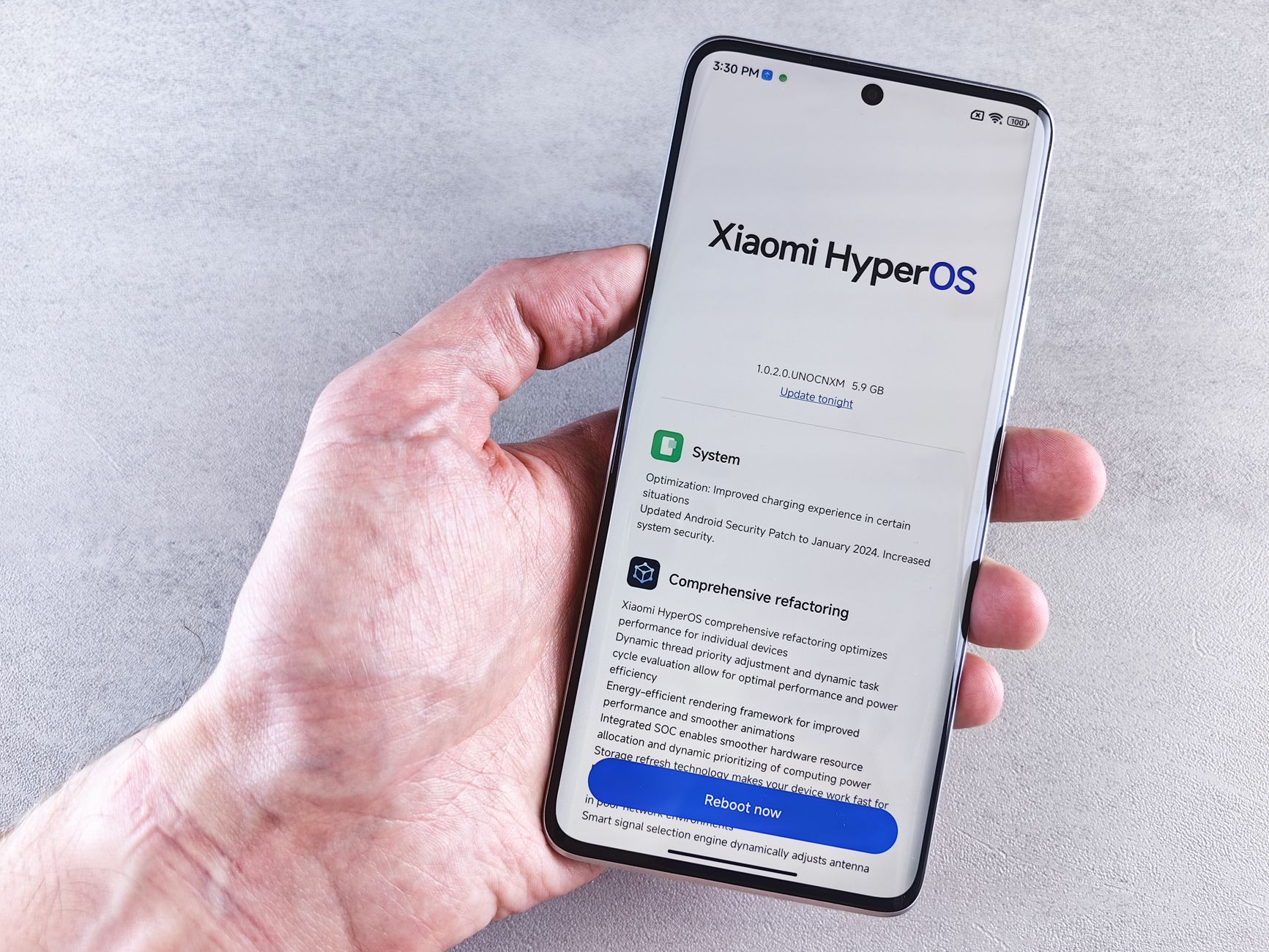
The HyperOS 4 rollout marks a significant update for Xiaomi users, introducing Android 17 and a sleek soft light glass design.
What is HyperOS 4?
HyperOS 4 is the latest operating system developed by Xiaomi, designed to enhance user experience across its range of devices. This innovative OS is built on the foundation of Android 17, bringing forth a plethora of new features and improvements.
One of the standout aspects of HyperOS 4 is its Soft Light Glass Design, which provides a visually appealing interface while also improving usability. This design emphasizes a smooth, clean aesthetic that is easy on the eyes and enhances navigation.
Furthermore, HyperOS 4 aims to unify different Xiaomi devices under a single operating system, allowing for seamless integration and communication between smartphones, tablets, and smart home products. This cross-device functionality is set to redefine how users interact with their technology, offering a more cohesive experience.
In addition to aesthetic improvements, HyperOS 4 includes enhanced security features and optimized performance to ensure that devices run more efficiently. With faster app loading times and better battery management, users can expect an overall boost in their device’s functionality.
The rollout of HyperOS 4 represents Xiaomi’s commitment to staying at the forefront of technology, offering users a robust and modern operating system that aims to elevate their daily interactions with devices.
As the HyperOS 4 rollout progresses globally, many are eager to discover how these enhancements will impact their Xiaomi devices.
Key features of Android 17
The new HyperOS 4 rollout introduces several key features of Android 17 that enhance user experience and device performance. These advancements represent a significant leap in technology for Xiaomi users worldwide.
One of the standout features of Android 17 is its improved multitasking capabilities. Users can now run multiple applications more smoothly, allowing for a seamless transition between tasks without lag. This is particularly beneficial for those who rely on their devices for productivity and entertainment.
Additionally, Android 17 includes enhanced privacy settings, giving users more control over their data. With features like app permission management and data encryption, Xiaomi is prioritizing user security in this latest update.
Another notable addition is the redesigned user interface, which offers a more intuitive navigation experience. The aesthetic updates not only make the device visually appealing but also contribute to better usability.
Moreover, battery optimization has seen significant improvements, allowing users to enjoy longer usage times without frequent charging. This is crucial for users who are always on the go.
Overall, these features make the HyperOS 4 rollout an enticing upgrade for Xiaomi users, combining functionality with style to meet the demands of modern smartphone usage.
Benefits of the soft light glass design
The recent rollout of HyperOS 4 introduces a unique design element that has caught the attention of many users: the soft light glass design. This feature not only enhances the aesthetic appeal of devices but also offers several practical benefits.
One of the primary advantages of the soft light glass design is its ability to reduce glare. In bright environments, traditional glass can reflect light, making it difficult to see the screen clearly. The soft light glass minimizes this issue, providing a more comfortable viewing experience, especially when outdoors.
In addition to reduced glare, the soft light glass design is also known for its durability. The material is less prone to scratches compared to standard glass, ensuring that devices maintain their pristine look over time. This durability is particularly appealing for users who rely on their smartphones for daily tasks and activities.
Moreover, the soft light glass contributes to a more immersive visual experience. With its ability to diffuse light evenly, users can enjoy vibrant colors and deeper contrasts when viewing media. This enhancement aligns well with the overall improvements brought by the HyperOS 4 rollout, creating a seamless user experience.
In summary, the incorporation of soft light glass in HyperOS 4 devices not only elevates the design but also enhances functionality, making it a compelling upgrade for Xiaomi users.
User experience with HyperOS 4
The rollout of HyperOS 4 has generated significant interest among Xiaomi users, especially regarding enhancements in user experience. Many early adopters have shared their impressions, highlighting both advantages and challenges that come with this new operating system.
Users have reported a smoother interface, thanks to the optimized performance of HyperOS 4. Some of the most frequently mentioned improvements include:
- Faster app loading times: The system’s responsiveness has seen a notable boost, allowing applications to launch almost instantaneously.
- Enhanced multitasking capabilities: Users can now switch between apps more fluidly, even when running resource-intensive applications simultaneously.
- Improved battery management: Many have praised the new battery-saving features, which prolong device usage without compromising performance.
However, not everything has been perfect. Some users have encountered bugs that affect certain apps, leading to occasional crashes. Additionally, a segment of the user base has expressed concerns about the learning curve associated with adapting to the new interface.
In summary, while the HyperOS 4 rollout offers promising upgrades in user experience, it also presents issues that Xiaomi must address to ensure a smooth transition for all users. As the rollout continues, it remains to be seen how these experiences will shape the overall perception of HyperOS 4.
When will the rollout complete?
The rollout of HyperOS 4 is expected to be completed in phases, with Xiaomi aiming for a full deployment by the end of the first quarter of 2024. As the company has already initiated the global rollout, many users are eagerly anticipating the update. However, the timeline may vary depending on several factors, including device compatibility and regional regulations.
Xiaomi has outlined a detailed schedule for the rollout, which includes the following key phases:
- Initial Phase: Selected flagship models, including the Xiaomi 13 and 13 Pro, will receive the update first, starting in October 2023.
- Mid Phase: A broader range of devices, such as the Xiaomi 12 series and Redmi Note models, are expected to receive HyperOS 4 updates between November 2023 and January 2024.
- Final Phase: The rollout will conclude with older models and budget devices by March 2024, ensuring that a wide array of users can experience the new features and improvements.
Throughout this rollout, Xiaomi is committed to addressing any potential issues that may arise, with software updates and patches readily available to enhance user experience. The HyperOS 4 rollout represents a significant step forward for the brand, promising users an exciting new interface and enhanced functionality.
Comparing HyperOS 4 with previous versions
The rollout of HyperOS 4 marks a significant advancement compared to its predecessor, HyperOS 3. One of the most notable improvements lies in its integration with Android 17, which enhances overall performance and user experience. Users have reported faster app launches and smoother multitasking, setting a new standard for Xiaomi devices.
Another area where HyperOS 4 shines is in its refined user interface. The aesthetic upgrades not only make the OS visually appealing but also contribute to easier navigation. Key differences between HyperOS 4 and previous versions include:
- Performance: HyperOS 4 features optimized resource management, leading to improved battery life and responsiveness.
- Customization: This version allows users more freedom to personalize their devices, from themes to widgets.
- Security: Enhanced security protocols are embedded in HyperOS 4, providing users with greater peace of mind.
- Compatibility: HyperOS 4 is designed to work seamlessly with a wider range of Xiaomi devices, making it accessible for more users.
In conclusion, the HyperOS 4 rollout represents a substantial upgrade over previous versions, particularly with its integration of the latest Android features and improvements in user experience. As users continue to adapt to these changes, it will be interesting to see how the new OS influences the Xiaomi ecosystem.
The HyperOS 4 rollout has introduced several new features that aim to enhance user experience significantly. Many Xiaomi users are eager to see how the HyperOS 4 rollout will impact device performance and functionality in the coming months.
via Wikimedia Commons
Sources
You might also like
UK Tax Break for Entrepreneurs: A Dreadful Policy Revealed · Is the Dell 14S Laptop Worth It? A Complete Review · South Korea rocket launch: The Best Proven Steps to Success