Sovereign Satellite Constellations are becoming increasingly significant as Russia and Ukraine develop their own space capabilities. This trend highlights the growing competition in the global space industry.
Overview of Sovereign Satellite Constellations
Sovereign satellite constellations are becoming an essential component of national security and technological independence for countries worldwide. These constellations enable nations to control their own satellite resources, ensuring secure communication and data transmission without relying on foreign entities. The ongoing conflict between Russia and Ukraine has highlighted the vulnerabilities associated with dependency on external satellite services.
As nations strive for greater autonomy, the development of sovereign satellite constellations is gaining momentum. Countries are investing in their own satellite systems to support various applications, including military operations, disaster management, and communication networks.
- Security: Ensures data privacy and protection from foreign interference.
- Technological Advancement: Encourages innovation within domestic aerospace industries.
- Operational Independence: Reduces reliance on global satellite operators.
In this evolving landscape, sovereign satellite constellations represent a strategic move toward national resilience and self-reliance.
The Role of Russia in Space Innovation
Russia’s involvement in the development of sovereign satellite constellations has emerged as a pivotal factor in the global space landscape. As nations seek greater autonomy in space capabilities, Russia has been actively pursuing innovative technologies to enhance its satellite infrastructure.
- Investment in Technology: The Russian government has allocated significant resources to modernize its satellite systems, aiming to reduce dependence on foreign assets.
- Collaboration with Private Sector: By partnering with private companies, Russia is fostering a competitive environment that promotes the development of cutting-edge satellite technologies.
- Strategic Military Applications: The focus on sovereign satellite constellations also ties into national security, as advanced satellite systems offer enhanced surveillance and communication capabilities.
As Russia continues to innovate and expand its sovereign satellite capabilities, it is positioning itself as a key player in the emerging trend of sovereign satellite constellations, shaping the future of space exploration and technology.
Ukraine’s Advances in Satellite Technology
In recent months, Ukraine has made significant strides in developing its own satellite technology, positioning itself as a key player in the realm of sovereign satellite constellations. These advancements come in the wake of increased geopolitical tensions, prompting the nation to bolster its capabilities in space.
Ukrainian engineers and scientists are collaborating with international partners to enhance their satellite systems, focusing on a variety of applications, including:
- Earth observation: Gathering data for agriculture, urban planning, and disaster management.
- Communications: Improving connectivity in remote and underserved areas.
- Defense: Enhancing surveillance and reconnaissance capabilities.
As Ukraine continues to develop its sovereign satellite constellations, the country aims not only to secure its own interests but also to contribute to the global space community. This emerging trend reflects a broader movement towards national autonomy in space technology.
Comparative Analysis of Global Satellite Programs
The landscape of global satellite programs is increasingly characterized by the rise of sovereign satellite constellations. Countries are prioritizing their independence in satellite technology, leading to a competitive environment. This trend manifests in various forms across nations.
Countries like the United States and China have long established their satellite networks, focusing on both military and commercial applications. In contrast, emerging nations are rapidly developing their own systems to reduce reliance on foreign technology. Key points of comparison include:
- Investment Levels: Nations are allocating significant budgets to enhance their satellite capabilities.
- Technological Innovations: New advancements in satellite technology are being spearheaded by both established and emerging players.
- Geopolitical Implications: Sovereign satellite constellations are reshaping global alliances and security dynamics.
As this trend continues, the implications for international relations and technology sharing remain profound.
Impact on International Space Relations
The emergence of sovereign satellite constellations has significantly impacted international space relations, shifting the dynamics of global cooperation and competition. Countries investing in their own satellite technologies, particularly Russia and Ukraine, are redefining how nations engage in space exploration and utilization.
As these nations develop their capabilities, several key effects on international relations are observed:
- Increased National Security: Sovereign satellite constellations enhance a nation’s ability to monitor activities and respond to threats, making space a crucial component of national defense.
- Technological Rivalry: The race to establish independent satellite networks may intensify tensions, prompting countries to bolster their technological capabilities and assert their dominance in space.
- Collaborative Opportunities: Despite competition, there are opportunities for collaboration, as nations may seek partnerships to share resources and expertise in satellite technology.
Ultimately, the development of sovereign satellite constellations shapes a new landscape in international space relations, with implications that extend far beyond Earth’s atmosphere.
Future Trends in Space Exploration
The future of space exploration is poised for significant transformation, particularly with the rise of sovereign satellite constellations. As nations recognize the strategic importance of space capabilities, we are likely to see an increase in investment and innovation in satellite technology.
Several trends are emerging that will shape this landscape:
- Collaborative Ventures: Countries may form alliances to share resources and expertise, promoting joint satellite missions.
- Increased Autonomy: Nations are expected to develop their own satellite networks to reduce reliance on foreign technology and enhance national security.
- Technological Advancements: Innovations in miniaturization and propulsion systems will enable more efficient satellite deployment and operation.
- Environmental Considerations: Future constellations will likely prioritize sustainability to address growing concerns about space debris.
These trends indicate a shift toward a more competitive and independent approach to space exploration, where sovereign satellite constellations will play a pivotal role.
Challenges Facing New Satellite Constellations
The rise of Sovereign Satellite Constellations brings several challenges that nations must navigate to ensure success in the competitive space landscape.
One significant obstacle is the high cost of development and deployment, requiring substantial financial investment and technical expertise. Additionally, nations must manage regulatory hurdles and international agreements that govern space activities, which can complicate collaboration and innovation.
Another pressing concern is the risk of orbital debris, as increased satellite launches contribute to congestion in space. This not only threatens existing satellites but also poses a risk to future missions.
Moreover, geopolitical tensions can impact international cooperation and hinder the sharing of vital technological advancements.
As countries like Russia and Ukraine lead the way in developing these constellations, they must address these challenges to fully harness the potential of their sovereign space initiatives.
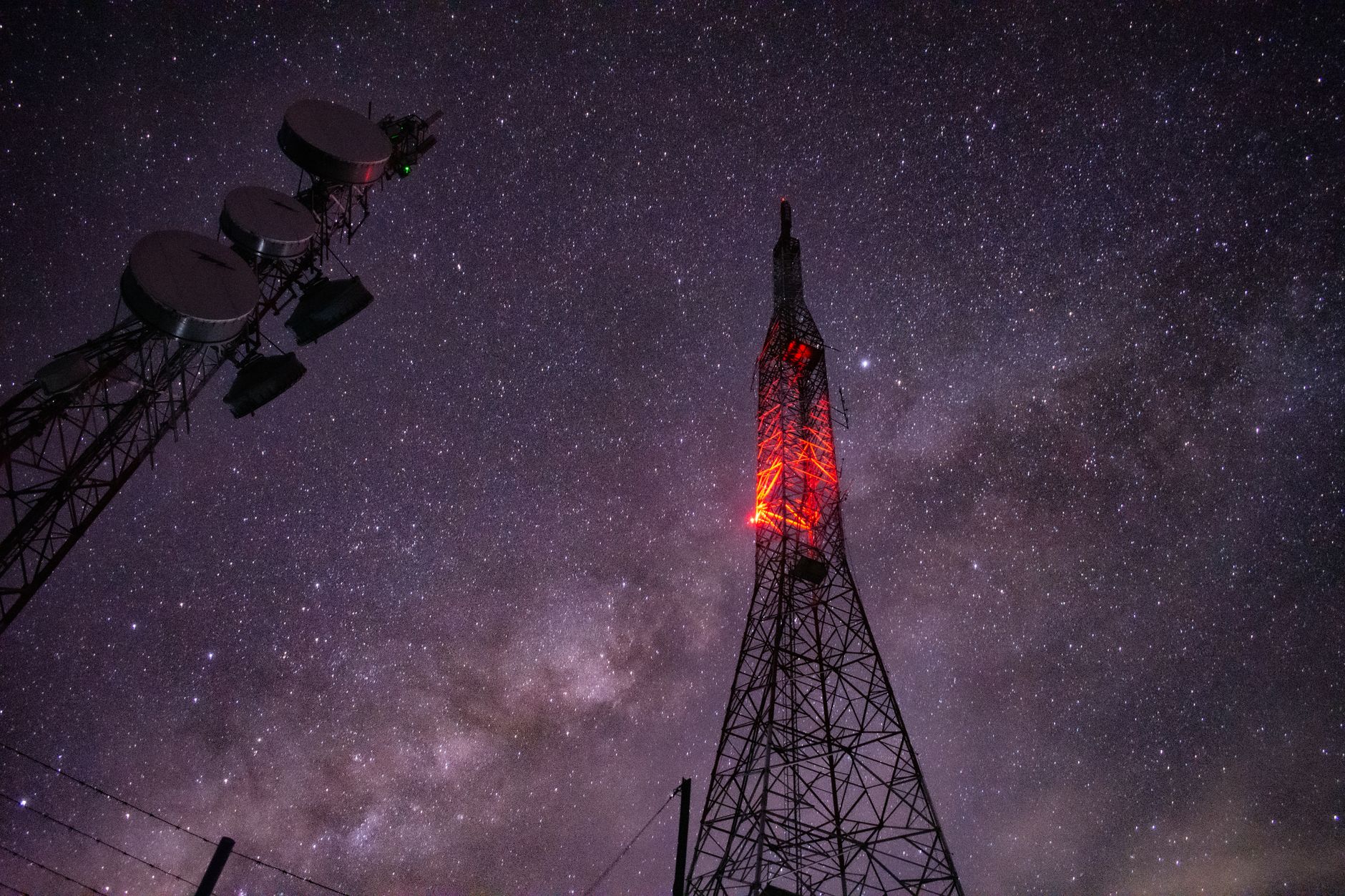
Photo by Juan Martin Gomez on Pexels
Where this came from
Related stories
vivo X500 Ultra camera sensors: Proven tech for stunning photos · Xiaomi 18 Pro launch: Best Upgrades You Need to Know · Cheaper TPUs Offer Smart Alternative to Nvidia’s Chips