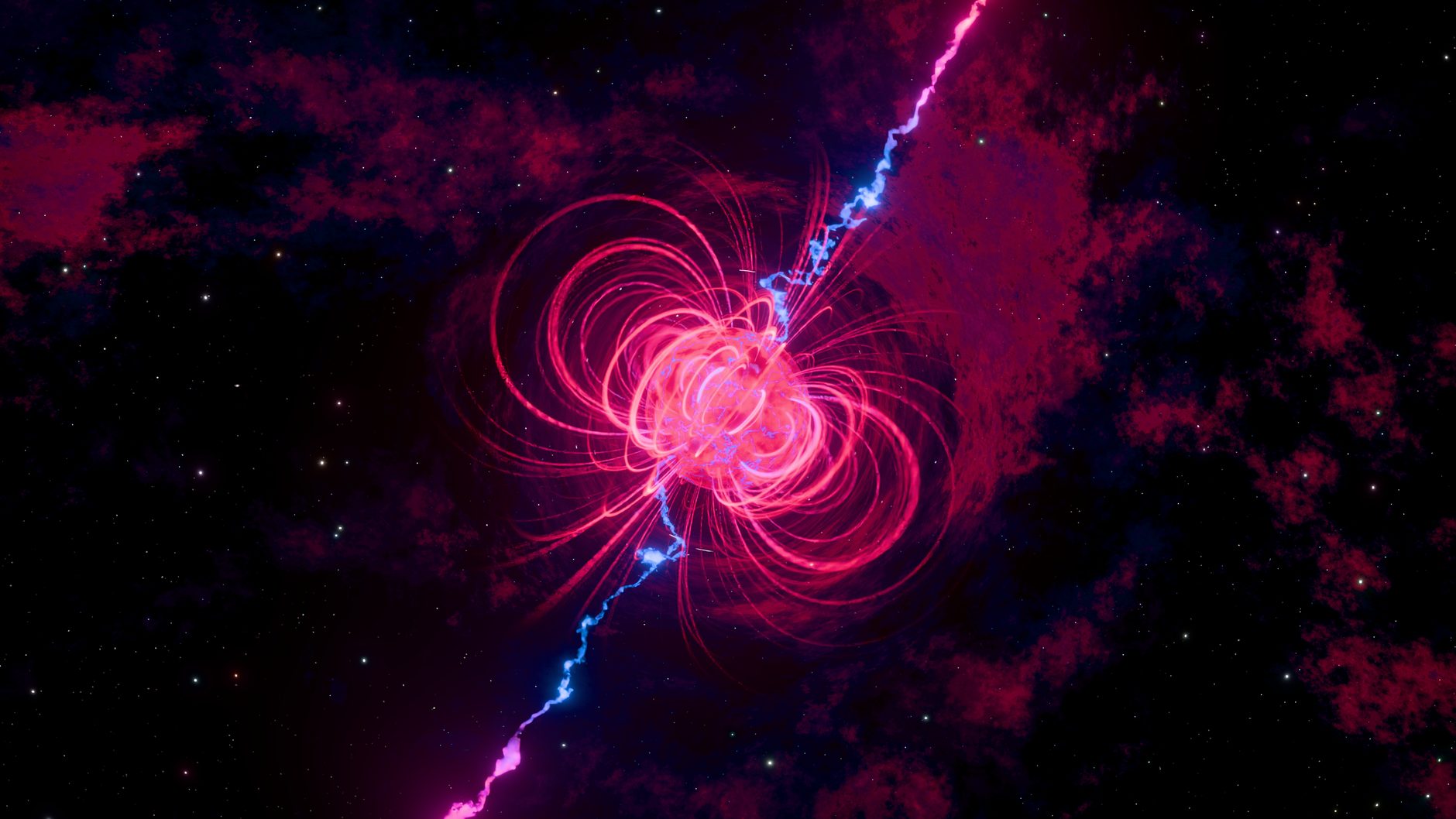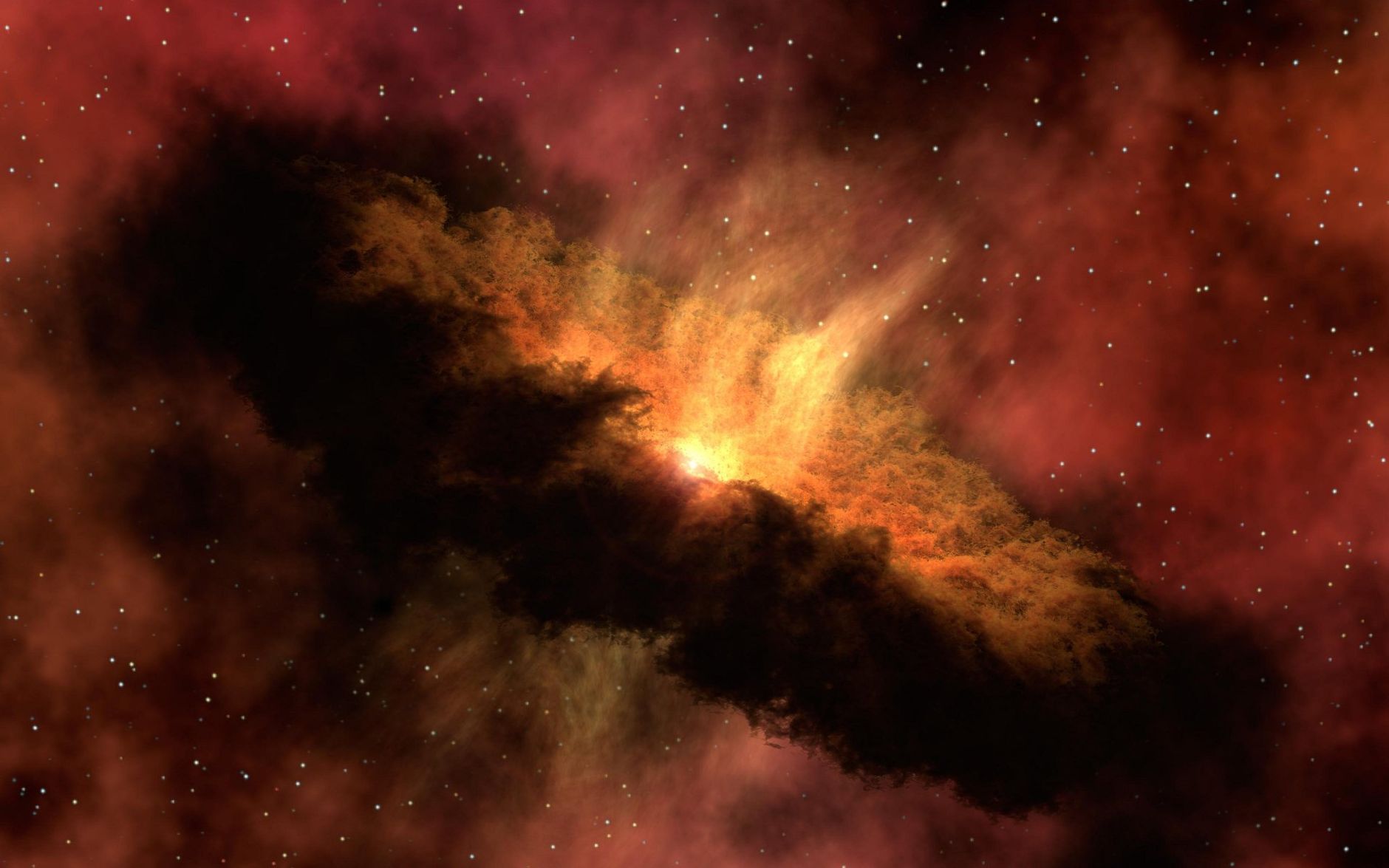
early star formation is crucial for understanding the universe’s evolution. The galaxy known as Misty Moons provides a unique glimpse into how stars formed in the early cosmos.
What is Misty Moons?
The galaxy known as Misty Moons has captured the attention of astronomers due to its unique characteristics and its potential to provide insights into early star formation. Discovered in deep space observations, this galaxy is believed to be a remnant from the early universe, offering a rare look at the conditions that fostered the birth of stars.
Misty Moons exhibits several intriguing features that distinguish it from other galaxies:
- Distance: Located billions of light-years away, it allows scientists to study the early cosmic environment.
- Composition: The galaxy is rich in gas and dust, materials essential for star formation.
- Activity: Observations reveal an unusually high rate of star formation, suggesting that it may be a site where new stars are born at a rapid pace.
By examining Misty Moons, researchers hope to unravel the mysteries surrounding early star formation and the processes that shaped the cosmos. This galaxy acts as a time capsule, shedding light on how galaxies evolved in the early universe and the pivotal role they played in the formation of stars.
The Importance of Early Star Formation
The study of early star formation is crucial for understanding the origins of our universe. Galaxies like Misty Moons provide valuable insights into the processes that shaped cosmic structures billions of years ago.
Scientists have long been fascinated by the formation of stars as it marks a pivotal moment in the life cycle of galaxies. During this period, vast clouds of gas and dust begin to collapse under their own gravity, leading to:
- The birth of new stars: These stars ignite nuclear fusion, emitting light and heat.
- Galaxy evolution: The energy produced influences the surrounding material, contributing to the growth and transformation of galaxies.
- Formation of planetary systems: The remnants of star formation often lead to the creation of planets and other celestial bodies.
Understanding early star formation not only sheds light on the conditions present in the early universe but also helps astronomers piece together the complex history of cosmic evolution. Research into galaxies like Misty Moons is paving the way for deeper insights into the mysteries of our cosmic origins.
How Stars Formed in the Early Universe
Understanding how stars formed in the early universe has been a focal point of astronomical research. Observations of distant galaxies, like the one known as Misty Moons, provide critical insights into early star formation processes. During the initial phases of the universe, conditions were vastly different from today, characterized by dense clouds of gas and dust.
These primordial clouds played a pivotal role in star formation, as gravity began to pull material together. The process unfolded in several stages:
- Collapse of Gas Clouds: As gas clouds became denser, gravitational forces initiated their collapse, leading to the formation of protostars.
- Heating and Fusion: As protostars accumulated mass, temperatures soared, igniting nuclear fusion and marking the birth of new stars.
- Formation of Stellar Clusters: Many stars emerged simultaneously, often forming clusters that contributed to the growth of galaxies.
The observations of Misty Moons reveal that the early universe was a bustling environment for star formation, paving the way for the complex structures we observe today. These insights not only enhance our understanding of cosmic evolution but also illuminate the fundamental processes that shaped our universe.
Recent Discoveries in Astronomy
Recent discoveries in astronomy have shed new light on the process of early star formation, enhancing our understanding of cosmic origins. One of the most intriguing findings comes from the analysis of a distant galaxy, nicknamed Misty Moons. This galaxy has provided a unique opportunity to observe star formation in action during a pivotal time in the universe’s history.
Scientists have utilized advanced telescopes to capture images and data that reveal the conditions present in Misty Moons. The observations indicate that star formation was not only prolific but also occurred in a remarkably chaotic environment. Researchers have noted several key aspects of early star formation that have emerged from these findings:
- Rapid Star Formation: The rate at which stars formed in this galaxy suggests a highly efficient process.
- Gas and Dust Density: High concentrations of gas and dust facilitated the creation of new stars.
- Interactions with Surrounding Galaxies: Gravitational interactions may have played a significant role in star formation dynamics.
These insights into early star formation not only deepen our understanding of the universe’s origins but also raise new questions about the evolution of galaxies over time.
Implications for Future Research
The study of early star formation, particularly in galaxies like Misty Moons, opens up new avenues for research in astrophysics. Understanding how stars formed in the early universe is crucial for unraveling the mysteries of cosmic evolution and the formation of galaxies.
Researchers are now focusing on several key areas to further investigate early star formation:
- Galactic Mergers: The role of galaxy collisions in triggering star formation is still not fully understood. Future studies could provide insights into how these events contribute to the birth of stars in dense regions of the universe.
- Star Formation Rates: Accurate measurements of star formation rates in early galaxies will enhance models of cosmic growth and evolution, allowing scientists to make better predictions about the universe’s history.
- Chemical Enrichment: Investigating the chemical composition of ancient stars may reveal how early star formation influenced the development of elements necessary for life.
By focusing on these areas, astronomers hope to deepen our understanding of early star formation and its implications for the cosmos.
Photo by Pixabay on Pexels
References
- Infinix Note 70: Is It the Best Smartphone of 2023?
- Prism decision model: The Smart Solution for Enterprises
- Global 5G IoT Coverage: Best Proven Solutions for Expansion