
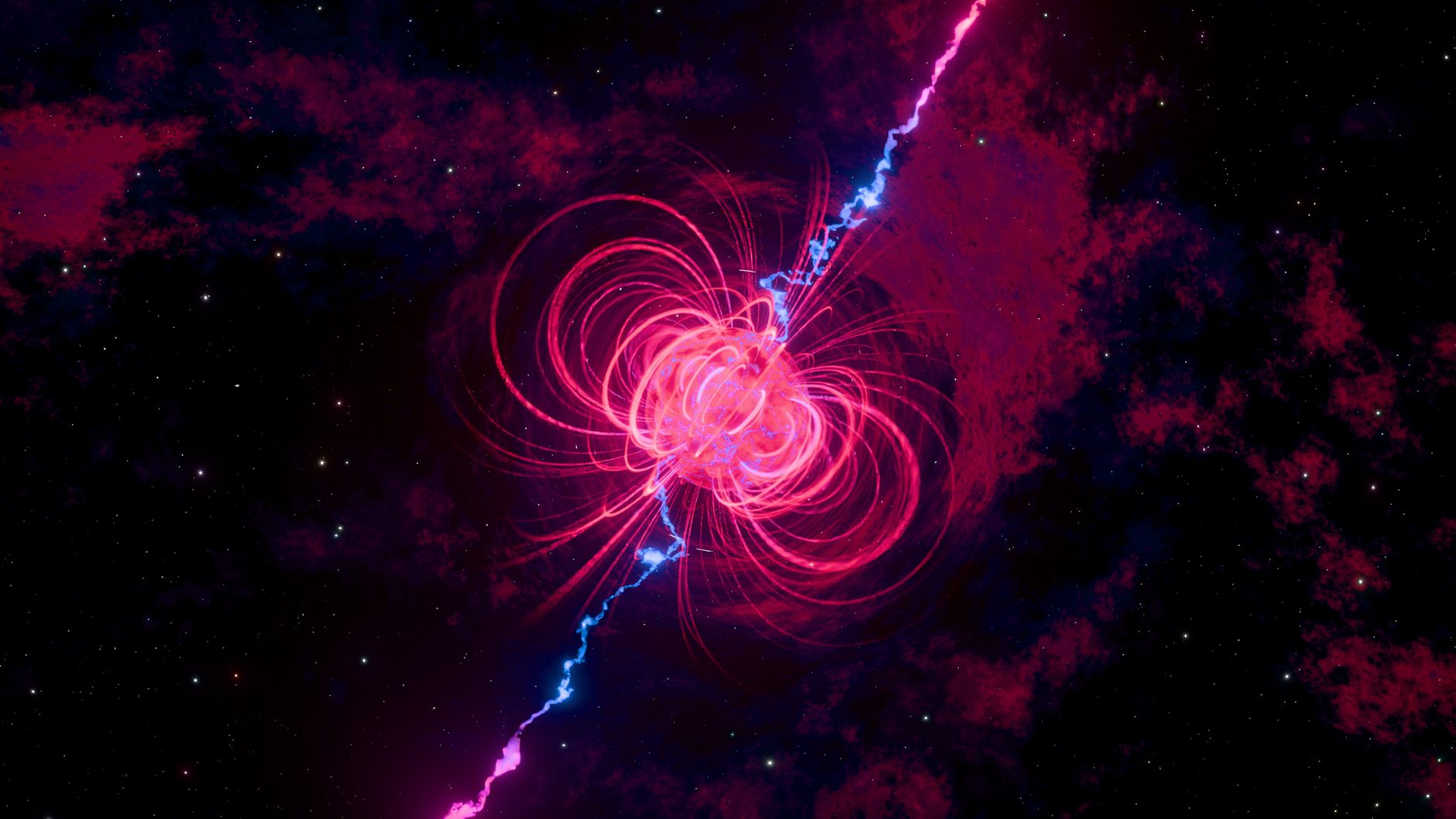
Alternative gravity theory offers a fascinating explanation for dark energy that changes over time. This new perspective could reshape our understanding of the universe.
Understanding Dark Energy
Dark energy remains one of the most perplexing mysteries in modern astrophysics. It is a force thought to drive the accelerated expansion of the universe, yet its origin and nature are still largely unknown. Traditional models suggest that dark energy is a constant, but recent observations indicate that it may change over time, leading researchers to explore alternative gravity theories.
These theories propose that the effects attributed to dark energy could instead be explained by modifications to the laws of gravity. Alternative gravity theory posits that as the universe expands, the gravitational interactions that govern cosmic structures may also evolve, potentially providing a more dynamic understanding of the universe’s expansion.
Key points regarding dark energy include:
- Nature of Dark Energy: It is thought to make up approximately 68% of the universe.
- Observational Challenges: Dark energy’s effects are inferred from the behavior of galaxies and cosmic structures over vast distances.
- Changing Dynamics: New studies suggest that rather than being a constant, dark energy might vary, influencing cosmic expansion.
As scientists continue to investigate these possibilities, alternative gravity theories could reshape our understanding of the cosmos, providing answers to questions that have long puzzled astronomers and physicists alike.
What is Alternative Gravity Theory?
Alternative gravity theory is a set of hypotheses that aim to explain gravitational phenomena through mechanisms other than Einstein’s general relativity. These theories propose that gravity may not be a fundamental force but rather an emergent phenomenon arising from other physical processes. This perspective opens new avenues for understanding complex cosmological issues, including dark energy.
At its core, alternative gravity theory suggests that the behavior of gravity could change under certain conditions or over vast distances, which could provide insights into the nature of dark energy. Traditional models posit that dark energy is a constant force driving the universe’s accelerated expansion. However, alternative gravity theories challenge this notion by allowing for the possibility that dark energy might fluctuate or evolve over time.
Several variants of alternative gravity theory exist, including:
- Modified Newtonian Dynamics (MOND): Proposes modifications to Newton’s laws to account for observed galactic rotation curves without invoking dark matter.
- TeVeS (Tensor-Vector-Scalar) Theory: A relativistic version of MOND that incorporates scalar and vector fields to explain cosmic phenomena.
- f(R) Gravity: Suggests modifications to the Einstein-Hilbert action to include functions of the Ricci scalar, impacting cosmic expansion.
These theories continue to be a subject of intense research, pushing the boundaries of our understanding of gravity and its role in the universe.
Implications for Cosmology
The implications of alternative gravity theory are far-reaching for the field of cosmology. This innovative framework proposes new mechanics that challenge traditional views about the behavior of gravity and its role in the universe’s expansion. By incorporating the dynamics of dark energy into its equations, alternative gravity theory seeks to explain not only the current accelerated expansion of the universe but also how this expansion may change over time.
Key implications include:
- Enhanced Understanding of Cosmic Evolution: By using alternative gravity theory, scientists can develop a more nuanced understanding of the universe’s evolution, particularly regarding the influence of dark energy.
- Potential for New Predictions: The theory may provide new predictions about the future behavior of cosmic structures, allowing researchers to test these ideas against observational data.
- Revisiting Fundamental Concepts: This approach invites astrophysicists to reconsider established concepts of gravity, leading to potential breakthroughs in how we perceive fundamental forces in the universe.
As researchers delve deeper into the implications of alternative gravity theory, they may uncover new insights that not only clarify the mysteries surrounding dark energy but also reshape our understanding of the cosmos itself.
Recent Research Findings
Recent research has shed light on the intriguing concept of alternative gravity theory and its potential to explain the enigmatic phenomenon of dark energy. A team of physicists conducted extensive simulations to investigate how variations in gravitational forces could account for the accelerating expansion of the universe.
The study revealed several key findings:
- Dynamic Behavior: Unlike traditional models that assume a constant dark energy, alternative gravity theory suggests that gravitational forces can change over time, impacting cosmic expansion.
- Cosmic Structure Formation: The team observed that this theory could lead to different patterns in the formation of galaxies and large-scale structures, providing a framework to analyze existing astronomical data.
- Consistency with Observations: Results indicated that alternative gravity models align closely with current measurements of cosmic microwave background radiation, lending credibility to this approach.
Moreover, the researchers emphasized the importance of refining our understanding of gravity in cosmology. By exploring alternative gravity theory, they believe that we can gain deeper insights into the universe’s evolution and its underlying forces. These findings not only challenge conventional wisdom but also pave the way for future investigations into the nature of dark energy and the fundamental laws governing the cosmos.
Future of Dark Energy Studies
The future of dark energy studies is poised for significant transformation as scientists explore the implications of alternative gravity theory. This innovative approach offers a potential framework to better understand the enigmatic nature of dark energy and its observed effects on the universe’s expansion.
Researchers are now focusing on several key areas:
- Refinement of Models: Ongoing studies aim to refine existing models of alternative gravity theory to accurately predict dark energy’s behavior. This could lead to a deeper understanding of how dark energy changes over time.
- Observational Evidence: The development of advanced observational tools will allow scientists to gather more data on cosmic phenomena, testing the predictions made by alternative gravity theories against actual observations.
- Interdisciplinary Collaboration: Collaboration among physicists, astronomers, and mathematicians will be crucial. Sharing expertise across disciplines can foster innovative approaches in tackling dark energy questions.
- Impact on Fundamental Physics: Exploring alternative gravity theory could also reshape our understanding of fundamental physics, potentially leading to breakthroughs in other areas of cosmology.
As these studies progress, the insights gained might not only clarify the mysteries of dark energy but also redefine our comprehension of the universe itself. The potential of alternative gravity theory marks an exciting frontier in cosmological research.
Photo by Nicola Narracci on Pexels
Where this came from
- OnePlus 16 5G: The Best Smartphone with Proven Specs
- Festive Edition AirPods 5: The Best New Release in India
- GTA 5 popularity: The Best Proven Game Phenomenon