
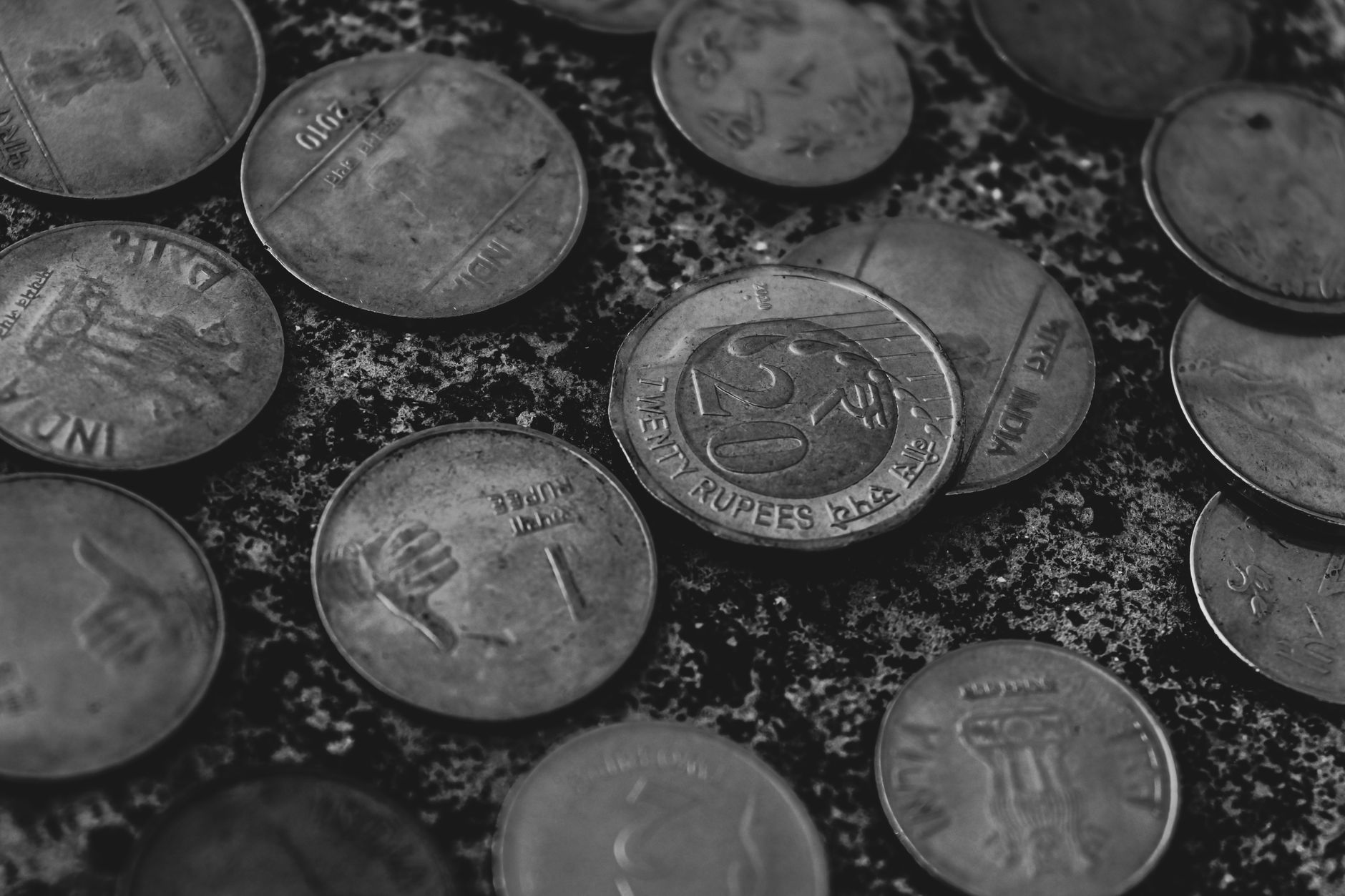
Creative Economy India is rapidly becoming a significant growth frontier, according to Dr. L. Murugan at the Jindal Policy Conclave.
Understanding the Creative Economy
The creative economy in India has gained significant attention as a vital component of the country’s growth strategy. It encompasses various sectors, including arts, design, media, and technology, fostering innovation and entrepreneurship. As highlighted by Dr. L. Murugan at the Jindal Policy Conclave, this emerging sector is poised to drive economic expansion and create millions of jobs.
Understanding the creative economy involves recognizing its key characteristics:
- Innovation: At its core, the creative economy thrives on the generation of new ideas, products, and services.
- Diversity: It embraces a variety of cultural expressions and encourages the participation of diverse communities.
- Collaboration: Synergy between different sectors, such as technology and arts, fosters unique solutions and growth opportunities.
- Sustainability: The creative economy promotes sustainable practices, ensuring cultural preservation while also addressing environmental concerns.
As the world increasingly values creativity, India’s position in the global landscape is becoming more prominent. With strategic investments and supportive policies, the creative economy could become a cornerstone of India’s economic future, offering a smart growth frontier ahead.
Key Insights from Dr. L. Murugan
During the recent Jindal Policy Conclave, Dr. L. Murugan emphasized the burgeoning potential of the Creative Economy in India. He highlighted several key insights that underscore its significance for future growth.
- Innovation and Technology: Dr. Murugan pointed out that technology is a catalyst for creativity, enabling artists and entrepreneurs to reach global audiences and collaborate in unprecedented ways.
- Job Creation: The creative sectors, including arts, media, and design, are expected to generate millions of new jobs, offering diverse opportunities for India’s youth.
- Cultural Heritage: By leveraging India’s rich cultural heritage, the creative economy can enhance tourism and promote local crafts, thus ensuring sustainable economic development.
- Government Support: Dr. Murugan called for increased government initiatives to support creative industries, suggesting policies that foster innovation and protect intellectual property rights.
- Global Competitiveness: He asserted that investing in the creative economy will position India as a global leader in innovation, allowing the country to compete effectively on the world stage.
In conclusion, Dr. Murugan’s insights reveal that the creative economy represents a promising frontier for India’s economic advancement.
The Future of India’s Growth
The future of India’s growth is increasingly tied to the burgeoning creative economy, which offers a myriad of opportunities for innovation and entrepreneurship. As technology continues to evolve, sectors such as digital media, entertainment, design, and arts are becoming key drivers of economic development. Dr. L. Murugan emphasized the importance of nurturing these creative industries during his address at the Jindal Policy Conclave.
He pointed out several factors that contribute to the growth potential of the creative economy in India:
- Diverse Talent Pool: India boasts a vast and varied talent pool, rich in cultural heritage and creativity.
- Technological Advancements: Rapid technological innovations are enabling new forms of content creation and distribution.
- Global Market Reach: The digital landscape allows Indian creatives to reach international audiences effortlessly.
- Policy Support: Government initiatives aimed at promoting creative sectors can further accelerate growth.
As these elements converge, India stands on the cusp of a significant transformation, positioning itself as a global leader in the creative economy.
Challenges Facing the Creative Sector
The creative economy in India is poised for significant growth, yet it faces several challenges that could hinder its potential. As various sectors seek to innovate and expand, industry experts emphasize the importance of addressing these obstacles.
- Lack of Infrastructure: Many creative professionals struggle with inadequate resources, such as studio space and reliable technology, which are essential for producing quality work.
- Funding Issues: Access to financial support remains a critical challenge, as many artists and entrepreneurs find it difficult to secure investments or grants necessary for growth.
- Regulatory Barriers: The regulatory framework can be cumbersome, often stifling creativity and making it harder for new ventures to emerge in the creative economy.
- Skill Gap: There is a noticeable gap in the skills required for navigating the evolving landscape, leading to a scarcity of qualified professionals in key areas.
- Market Access: Many creative individuals struggle to reach broader markets, limiting their visibility and opportunities for collaboration.
Despite these challenges, stakeholders are optimistic that with the right strategies, the creative economy in India can thrive and become a leading growth frontier.
Opportunities for Innovation in India
The creative economy in India presents a myriad of opportunities for innovation, fueling growth across various sectors. As the nation embraces digital transformation, several key areas emerge as fertile ground for creative endeavors:
- Digital Media and Entertainment: With a booming film industry and increasing demand for streaming content, the potential for innovative storytelling and production techniques is immense.
- Art and Design: Indian artisans and designers are gaining international recognition, leading to the fusion of traditional craftsmanship with modern aesthetics.
- Technology and Gaming: The intersection of technology and creativity is paving the way for advancements in gaming and interactive experiences, attracting investment and talent.
- Fashion and Textiles: The global focus on sustainable and ethical fashion creates opportunities for local designers to showcase their work while promoting sustainable practices.
- Advertising and Marketing: As businesses seek to engage consumers in more meaningful ways, innovative marketing strategies that leverage creativity will be in high demand.
By harnessing these opportunities, India can effectively position itself as a leader in the creative economy, ultimately driving economic growth and cultural exchange on a global scale.
As we explore the potential of Creative Economy India, it becomes evident that innovation and collaboration will play crucial roles in its growth. The future of Creative Economy India is not just about economic expansion, but also about fostering cultural richness and diversity.
Photo by Ravi Roshan on Pexels
Where this came from
Related reading
- OnePlus 16 leaks: Clear details on RAM, storage, colors
- Vivo X500 Series launch: The Best Specs and Features Revealed
- Karnataka Data Centre Policy: Best Proven Strategies for 2031