Choosing the right protection for your company can feel overwhelming, especially with so many providers claiming to offer the best solutions. For business owners searching for business security systems near me, the goal isn’t just finding a vendor nearby, it’s finding a partner who understands commercial risk and can design a system that actually fits your property. This FAQ-style guide walks through the key considerations business owners should weigh before signing with a local provider.
What should a business owner look for in a local security provider?
Start by evaluating experience with commercial properties specifically. Residential alarm companies often lack the expertise needed for multi-door access control or large-scale camera networks. A qualified provider should be licensed, insured, and able to show a track record with businesses similar in size and complexity to yours. Local presence matters too, since a provider based in your region can respond faster for service calls and understands the specific risks tied to your area, whether that’s weather exposure, foot traffic patterns, or local crime trends.
Ask about the brands and equipment a provider installs. Established names in access control, video surveillance, and alarm technology tend to offer better long-term support and compatibility. A provider who works with multiple reputable manufacturers can recommend equipment suited to your needs rather than pushing a single proprietary system.
Why does a site assessment matter before installing a system?
No two properties are identical, and a generic security package rarely addresses the actual vulnerabilities of a specific location. A proper site assessment involves a technician walking the property, reviewing entry points, evaluating existing wiring and network infrastructure, and identifying blind spots in coverage. This process determines whether existing equipment can be reused or whether a full upgrade makes more sense.
Skipping this step often leads to underprotected areas or wasted spending on features that don’t match the property’s layout. A thorough assessment also sets realistic expectations for installation timelines and ongoing service needs.
What does a complete commercial security system typically include?
A well-rounded system brings together several components working in tandem rather than relying on a single device or sensor.
Alarms form the foundation, covering entrances, stockrooms, and work areas with door and window contacts, motion detectors, and glass-break sensors. These components alert staff or a monitoring service the moment unauthorized entry occurs.
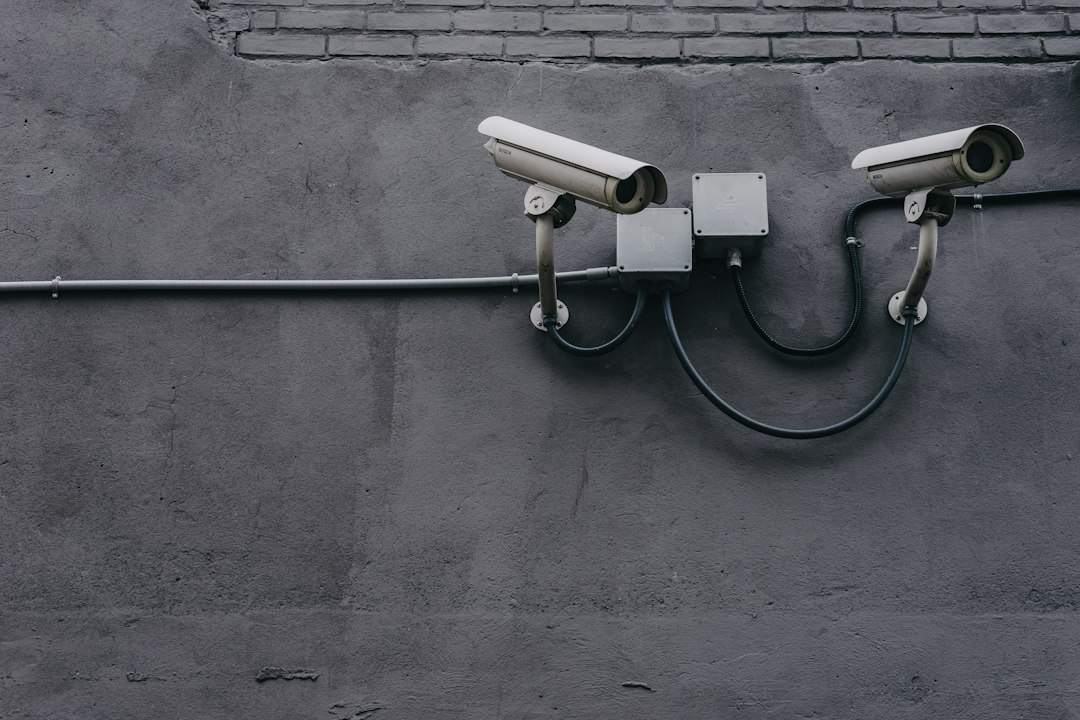
Video surveillance adds visual confirmation and historical record-keeping. Modern camera systems, including dome, turret, and multi-sensor options, provide live views and recorded footage that help resolve disputes, verify alarm events, and even offer business insights like visitor counts and occupancy tracking.
Access control governs who can enter specific doors and when. Rather than relying on traditional keys, many businesses now use mobile credentials, allowing staff schedules to be set and contractor access to expire automatically. This is particularly valuable for businesses managing multiple employees or multiple locations.
Together, these three pillars create layered protection. An intruder who bypasses one layer still faces additional barriers, which significantly reduces the likelihood of a successful breach.
How do alarms, cameras, and access control work together?
Integration is what separates a basic security setup from a genuinely effective one. When alarm status, camera feeds, and door access logs are viewable in a single dashboard, business owners and managers gain a clearer picture of what’s happening across their property without switching between multiple apps or systems.
For example, a door alarm triggered after hours can be cross-referenced with footage from a nearby camera, giving immediate context about who or what caused the event. Similarly, opening and closing routines can be automated so that disarming the alarm, unlocking doors, adjusting lighting, and setting temperature all happen together on a set schedule.
Should every business include professional monitoring?
Monitoring needs vary depending on the business type, hours of operation, and risk tolerance. Some companies prefer monitoring that connects alarm signals to a response team, while others add video verification so an operator can visually confirm an event before alerting authorities. Businesses operating after hours or managing valuable inventory often benefit most from this added layer of oversight.
It’s worth discussing monitoring scope directly with your provider, since coverage, hours, and escalation procedures differ based on equipment and service plans.
What should a business bring to an initial consultation?
Before meeting with a potential provider, gather basic property details: the address, square footage, number of entry points, and any specific concerns driving the need for upgraded security. Floor plans and an inventory of existing equipment help providers give more accurate recommendations. Avoid sharing sensitive information like alarm codes or passwords through public forms, saving those details for direct, secure conversations.
Making the right choice for your business
Selecting a security partner is a decision that affects daily operations, employee safety, and long-term peace of mind. Business owners who prioritize local expertise, thorough site assessments, and integrated systems covering alarms, cameras, and access control tend to end up with solutions that actually match their property’s needs. Taking the time to ask the right questions upfront saves both money and frustration down the road, and sets the foundation for a security system that grows alongside your business.
What You Need to Know
- Business owners should look for security providers with experience specific to commercial properties rather than residential.
- A qualified security provider must be licensed, insured, and have a proven track record with similar-sized businesses.
- A comprehensive commercial security system typically includes alarms, video surveillance, and access control working together.
- Site assessments are crucial for identifying the specific vulnerabilities of a property, ensuring a tailored security solution.
- Integration of alarms, cameras, and access control into a single dashboard enhances situational awareness for business owners.
- Monitoring needs for businesses vary and should be discussed with the security provider to tailor coverage based on specific risks and operational hours.