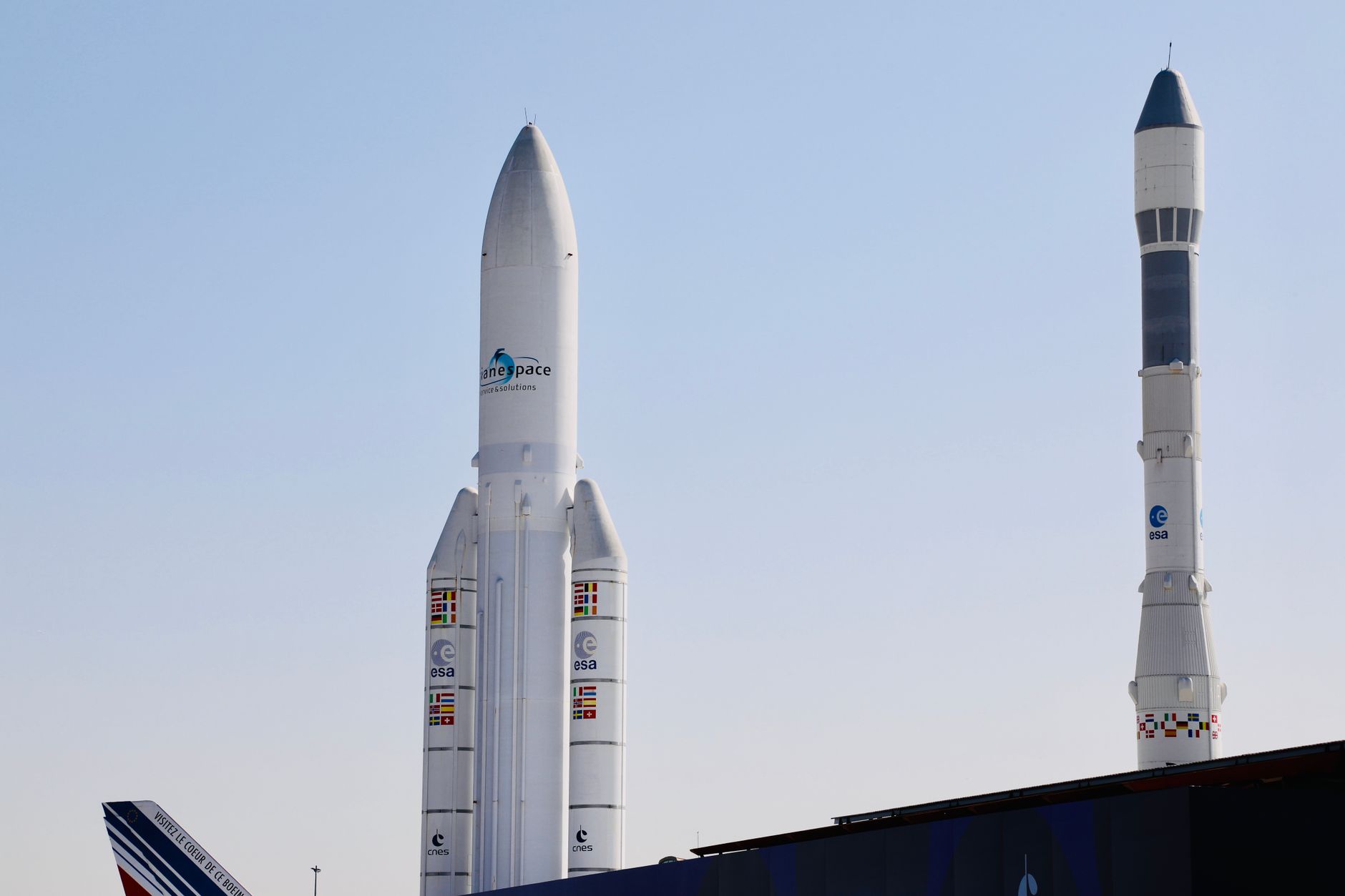
ISRO satellite mission has successfully continued its orbit raising operations, marking a significant achievement for India’s space program. This mission demonstrates the agency’s capabilities and advancements in satellite technology.
Overview of the ISRO satellite mission
The recent achievements of the Indian Space Research Organisation (ISRO) in its satellite mission showcase the organisation’s commitment to advancing space technology. The mission, which is focused on orbit raising operations, has proven successful in its initial stages, demonstrating ISRO’s capability to handle complex satellite deployments.
Key highlights of the ISRO satellite mission include:
- Launch Efficiency: The mission employed advanced techniques to ensure a smooth launch and deployment process.
- Technological Innovations: New technologies were integrated into the satellite design, enhancing its functionality and performance.
- Collaboration: ISRO worked with international partners, fostering global cooperation in space exploration.
- Public Engagement: The mission has garnered significant interest from the public, inspiring a new generation of scientists and engineers.
As the satellite continues its journey, ISRO remains focused on achieving all mission objectives, solidifying India’s position in the global space community.
Key milestones achieved in the mission
The ISRO satellite mission has marked several key milestones that showcase its success in orbit raising operations. These achievements highlight the precision and expertise of the Indian Space Research Organisation in space exploration.
- Launch Vehicle Deployment: The mission commenced with the successful launch of the satellite using the PSLV-C55 vehicle, which placed the satellite into its intended orbit efficiently.
- Initial Orbit Insertion: Following a series of meticulously planned maneuvers, the satellite was inserted into a lower orbit, setting the stage for subsequent elevation.
- Orbit Raising Operations: The mission has successfully executed multiple orbit-raising maneuvers. These operations have enhanced the satellite’s altitude and performance capabilities, showcasing the ISRO satellite mission’s advanced technological prowess.
- Data Transmission Tests: Preliminary tests for data transmission have been completed, confirming the satellite’s operational readiness and the efficiency of its onboard systems.
These milestones not only reflect the mission’s immediate success but also underline India’s growing capabilities in space technology.
Importance of orbit raising operations
The importance of orbit raising operations in the ISRO satellite mission cannot be overstated. These operations are critical for ensuring that satellites reach their designated orbits, allowing them to perform their intended functions effectively. Successful orbit raising is a testament to the precision and reliability of the mission’s engineering and technology.
During the orbit raising phase, various maneuvers are executed to gradually elevate the satellite from its initial launch trajectory to its final operational orbit. The success of these operations is pivotal for:
- Enhancing communication capabilities: Satellites in optimal orbits provide more reliable data transmission.
- Improving observational accuracy: Satellites positioned correctly can capture high-quality imagery and data.
- Extending mission lifespan: Proper orbit placement reduces fuel consumption for station-keeping.
The ISRO satellite mission exemplifies the importance of these operations, showcasing India’s growing prowess in space technology.
Future plans for ISRO’s satellite technology
The Indian Space Research Organisation (ISRO) continues to push the boundaries of satellite technology with ambitious plans for the future. Following the recent success of its satellite mission, ISRO is set to enhance its capabilities through a series of innovative projects.
Among the key initiatives in the pipeline are:
- Advancements in Satellite Design: ISRO aims to develop more efficient satellites that utilize advanced materials and technologies to improve performance.
- Increased Launch Frequency: The organization plans to increase the frequency of satellite launches, ensuring timely deployment of critical systems for communication, navigation, and observation.
- International Collaborations: By partnering with global space agencies and private sector companies, ISRO seeks to leverage shared knowledge and technology for enhanced satellite missions.
- Focus on Sustainability: Future missions will prioritize sustainability, incorporating eco-friendly practices and technologies in satellite manufacturing and operation.
These initiatives reflect ISRO’s commitment to leading the way in satellite technology, building on its recent achievements in orbit raising operations.
Challenges faced during the mission
During the ISRO satellite mission, the team encountered several challenges that tested their expertise and problem-solving capabilities. These hurdles were critical in shaping the mission’s trajectory and ensuring its success.
- Technical Difficulties: Engineers faced unexpected technical glitches with the satellite’s systems, which required immediate troubleshooting to avoid delays in the orbit raising operations.
- Weather Conditions: Adverse weather conditions posed a risk to ground stations, impacting communication with the satellite during crucial phases of the mission.
- Resource Management: Coordinating resources and personnel on a tight schedule was essential, as any miscalculation could lead to significant setbacks.
- Launch Window Constraints: The mission operated within a limited launch window, making it imperative to address issues promptly to maintain the timeline.
Despite these obstacles, the ISRO team demonstrated resilience and adaptability, ultimately leading to the successful execution of orbit raising operations that solidified the mission’s achievements.
International collaborations in space
The success of the ISRO satellite mission has not only showcased India’s technological prowess but also emphasized the importance of international collaborations in space exploration. These partnerships have played a crucial role in enhancing the capabilities and reach of India’s space endeavors.
Through joint missions and shared research initiatives, ISRO has been able to leverage global expertise and resources. Notable collaborations include:
- NASA: Collaborative projects focusing on Earth observation and satellite technology.
- European Space Agency (ESA): Joint missions aimed at advancing space science and technology.
- Russian Space Agency (ROSCOSMOS): Partnerships in satellite launches and space research.
- Japan Aerospace Exploration Agency (JAXA): Cooperation in satellite missions and technology exchange.
These alliances not only inspire innovation but also facilitate knowledge transfer, ultimately strengthening ISRO’s satellite mission capabilities. As ISRO continues to expand its horizons, such collaborations will remain vital for future successes in orbit raising and beyond.
Public response to the mission’s success
The success of the recent ISRO satellite mission has garnered overwhelming public support and enthusiasm across the nation. Citizens took to social media to express their pride and admiration for the scientists and engineers behind the mission, praising their dedication and hard work.
Many users shared their thoughts, highlighting the significance of achieving such milestones in space exploration. The mission not only showcases India’s growing capabilities in satellite technology but also ignites hope for future advancements. Some notable reactions include:
- “A proud moment for India!” – A common sentiment echoed by many, reflecting national pride in scientific achievements.
- “This is just the beginning!” – Enthusiastic predictions about the future of ISRO’s satellite missions and their impact on daily life.
- “Inspiration for the youth!” – Many emphasized how this success inspires the next generation to pursue careers in science and technology.
Overall, the public response highlights a collective appreciation for the advancements made by ISRO in satellite missions, especially in orbit raising operations.
Implications for India’s space exploration
The recent success of the ISRO satellite mission has significant implications for India’s future in space exploration. As the country continues to enhance its capabilities, this mission showcases India’s growing prowess in satellite technology and its ability to execute complex operations with precision.
One of the most notable impacts is the potential for increased international collaboration. With successful orbit raising operations, India’s reputation in the global space community is solidified, inviting more partnerships with other nations and organizations. This could lead to shared research initiatives and joint missions, further advancing scientific knowledge and technological innovation.
Additionally, the mission opens avenues for commercial opportunities. As ISRO demonstrates its capabilities, private sector investments in satellite technology and services are likely to increase, fostering a robust space economy. This growth can enhance not only India’s technological landscape but also its economic prospects.
In summary, the ISRO satellite mission is a pivotal step forward, reinforcing India’s position in the global space arena and paving the way for future exploration endeavors.
The recent ISRO satellite mission has demonstrated remarkable capabilities in orbit raising, showcasing India’s advancements in space technology. As the ISRO satellite mission continues to achieve new milestones, it solidifies India’s position in the global space community.
By European Space Agency via Openverse
Sources
You might also like
AI Smartphone Price Hike: The Worst News for Buyers · AI shopping adoption: Best proven trends among Millennials · Moto G64 5G Launch: The Best Proven Features to Expect