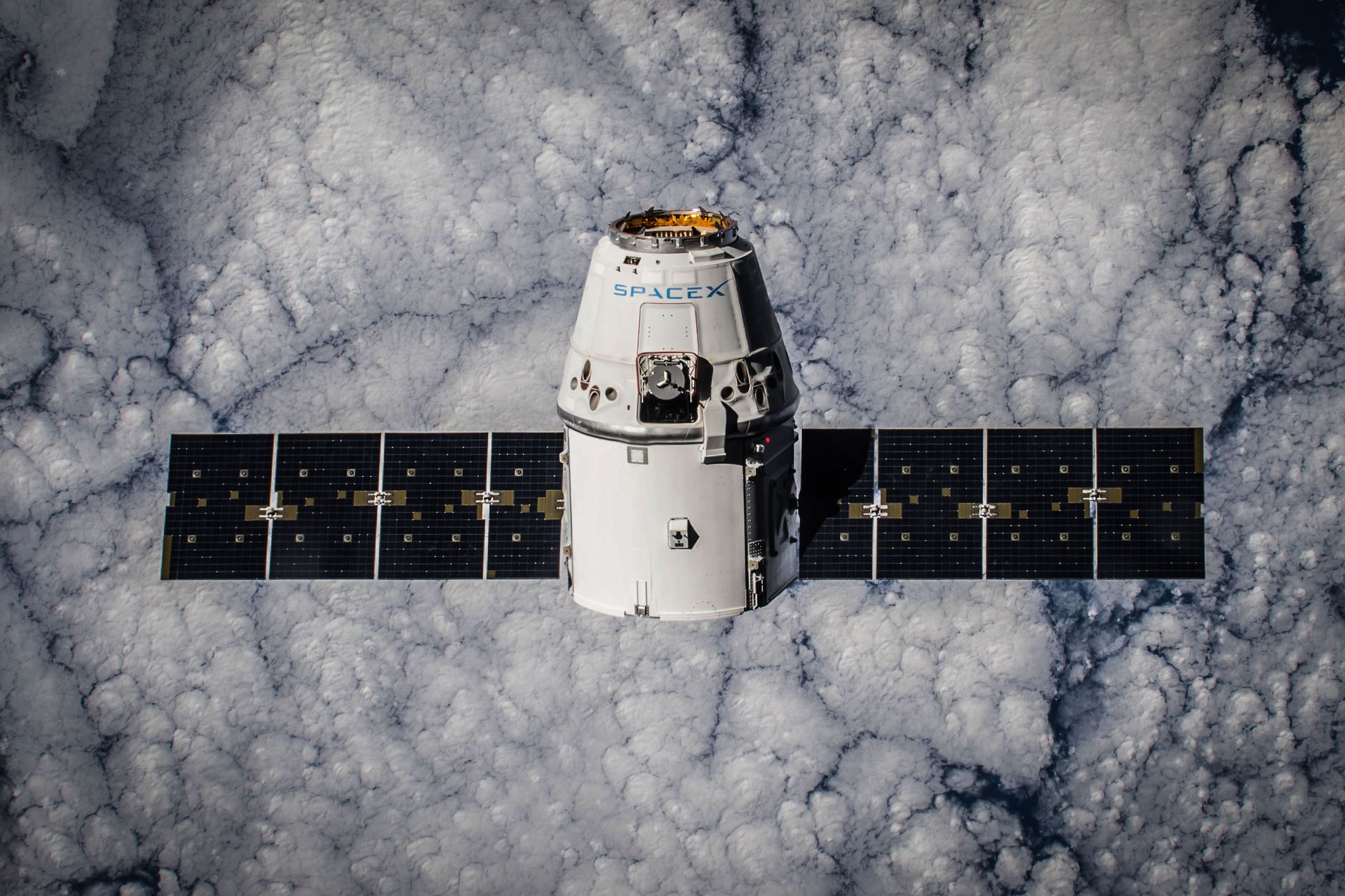
SpaceX orbital test is a pivotal moment for NASA’s Artemis program, demonstrating significant advancements in space travel and exploration. This first-ever orbital flight holds implications for future missions and international collaboration in space.
What is SpaceX’s orbital test?
SpaceX’s orbital test represents a significant milestone not only for the company but also for NASA’s Artemis program. This test aims to demonstrate the capabilities of the Starship spacecraft, which is designed for deep space missions, including lunar landings. The orbital test is crucial as it validates the systems and technologies that will be used in upcoming Artemis missions, which seek to return humans to the Moon by 2024.
The test involves launching the Starship into orbit, where it will perform various maneuvers to assess its performance under real-world conditions. Successfully completing this orbital test is vital for several reasons:
- Technology Validation: The test will confirm the spacecraft’s systems, such as its propulsion and navigation, ensuring they can handle the rigors of space travel.
- Safety Assessments: Understanding how Starship behaves in orbit is essential for crew safety during Artemis missions.
- Future Missions: Data gathered from the orbital test will inform the design and operation of future missions to Mars and beyond.
In summary, SpaceX’s orbital test is a critical step in advancing both commercial space travel and NASA’s ambitious goals, highlighting its proven importance for the Artemis program.
Key advancements from Starship flight
The recent SpaceX orbital test has marked a significant milestone in the journey towards deeper space exploration. As the Starship flight successfully demonstrated its capabilities, several key advancements emerged that are crucial for NASA’s Artemis program.
- Increased Payload Capacity: The Starship’s design allows for a greater payload capacity, enabling NASA to transport more equipment and crew for lunar missions.
- Enhanced Reusability: SpaceX’s commitment to reusability has been solidified, offering NASA a cost-effective solution for repeated launches, crucial for the long-term goals of Artemis.
- Improved Launch Reliability: The orbital test showcased advancements in launch reliability, which is essential for the safety and success of future missions.
- Refined Engineering Techniques: Innovations in engineering were highlighted during the test, which could streamline the development of spacecraft needed for Artemis missions.
- Optimized Flight Patterns: The test provided valuable data on optimal flight patterns, which can be applied to subsequent missions aimed at returning humans to the Moon.
These advancements from the SpaceX orbital test not only push the boundaries of technology but also reinforce the collaborative efforts between private companies and government agencies to achieve ambitious space exploration goals.
Impact on NASA’s Artemis program
The recent SpaceX orbital test has significant implications for NASA’s Artemis program, which aims to return humans to the Moon and eventually pave the way for Mars exploration. This milestone in space technology not only demonstrates the capabilities of the Starship spacecraft but also enhances the collaborative efforts between SpaceX and NASA.
NASA’s Artemis program relies heavily on robust and reliable transport systems for crewed missions. The success of SpaceX’s orbital test reinforces the idea that commercial partnerships can effectively contribute to space exploration goals. Key impacts include:
- Increased Launch Capacity: The orbital test showcases SpaceX’s ability to deliver larger payloads, which is crucial for Artemis missions that require extensive equipment and supplies.
- Cost Efficiency: By utilizing SpaceX’s technology, NASA can potentially reduce mission costs, allowing for more frequent and ambitious exploratory endeavors.
- Technological Advancements: The innovations demonstrated during the orbital test can be adapted and integrated into NASA’s existing systems, enhancing mission safety and efficiency.
As NASA continues its preparations for Artemis missions, the successful outcomes of SpaceX’s orbital test provide a strong foundation for future collaborations and advancements in space travel.
Challenges faced during the test
The SpaceX orbital test, a critical milestone in space exploration, faced several significant challenges that tested the resilience and innovation of the team. One of the primary hurdles was the complex integration of systems within the Starship vehicle, which required meticulous coordination between various engineering disciplines.
Additionally, the test encountered issues related to environmental conditions, including high winds and unpredicted weather changes that threatened the launch schedule. These factors not only delayed preparations but also necessitated adjustments to the launch strategy to ensure safety and mission success.
Another challenge was the need for extensive data collection during the flight. The SpaceX team was tasked with monitoring a wide array of performance metrics to analyze the vehicle’s behavior in real-time. This required advanced telemetry systems that could withstand the rigors of launch and re-entry.
Moreover, the test was conducted amidst increasing scrutiny from regulatory bodies and the public, heightening the pressure on the SpaceX team. They had to ensure compliance with safety protocols while simultaneously pushing the boundaries of what is possible in orbital flight.
Despite these challenges, the SpaceX orbital test proved vital, paving the way for future missions, including NASA’s Artemis program.
Future of space exploration
The future of space exploration is poised for significant transformation, particularly with the successful execution of SpaceX’s orbital test. This pivotal milestone not only showcases the capabilities of the Starship spacecraft but also reinforces the potential for collaboration between private aerospace companies and national space agencies like NASA.
As NASA gears up for its Artemis program, the advancements demonstrated by SpaceX during its orbital test provide a solid foundation for future missions aimed at returning humans to the Moon and eventually reaching Mars. With the ability to carry larger payloads and provide reusable launch systems, SpaceX is setting the stage for more ambitious endeavors beyond low Earth orbit.
Key elements influencing the future of space exploration include:
- Cost Efficiency: The reduction in launch costs through reusable technology.
- Innovation: Continuous improvements in spacecraft design and engineering.
- Collaboration: Increased partnerships between government and private sectors.
- International Cooperation: Opportunities for global collaboration in space missions.
As we look ahead, the implications of SpaceX’s orbital test extend far beyond immediate achievements, promising a new era in which humanity can explore the cosmos more effectively and sustainably.
Public interest in space missions
The recent SpaceX orbital test has captured significant public interest, reflecting a growing enthusiasm for space missions. This heightened awareness can be attributed to several factors, including advancements in technology and increased accessibility to space-related information.
Many individuals are now more engaged with space exploration due to:
- Media Coverage: Extensive media reporting on missions, launches, and the science behind them has made space exploration more relatable and exciting.
- Social Media: Platforms like Twitter and Instagram provide real-time updates and behind-the-scenes looks at missions, allowing fans to connect directly with the progress of space initiatives.
- Public Events: SpaceX and other organizations often host events and livestream launches, making it easier for the public to participate in and witness significant milestones.
This surge in interest is not just about entertainment; it signifies a broader understanding of the potential benefits of space exploration. As people become more informed, they recognize how these missions, including the SpaceX orbital test, play a crucial role in advancing technological innovations that can improve life on Earth and prepare for future endeavors in space.
The recent SpaceX orbital test has demonstrated the critical capabilities needed for future lunar missions. As NASA prepares for Artemis, the insights gained from the SpaceX orbital test will play a pivotal role in mission planning and execution.
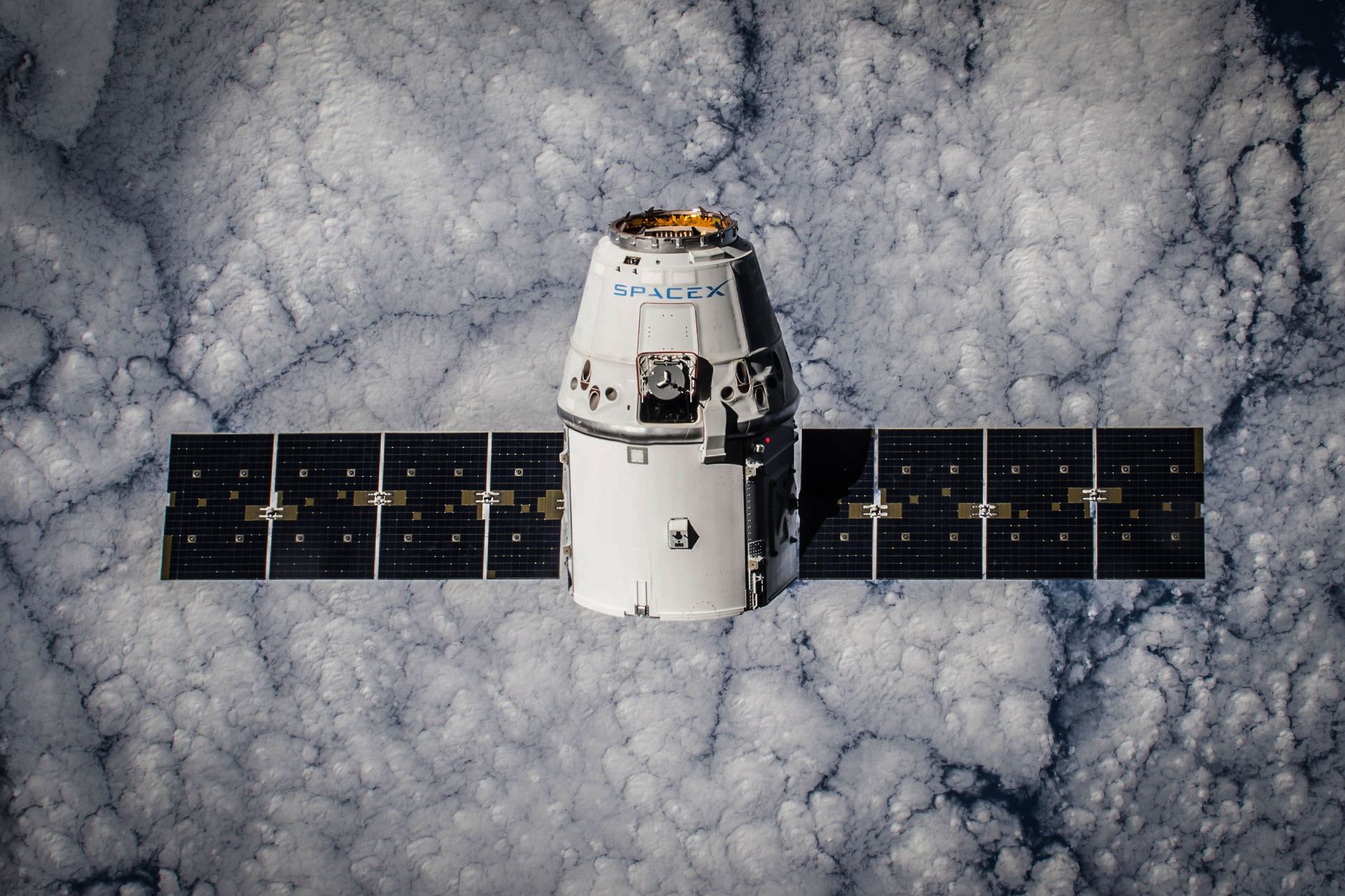
Photo by SpaceX on Pexels
References
You might also like
Vivo V80 launch: Best features and specs revealed · Nvidia daily price moves: The Best Proven Strategy to Amplify · Metris Energy funding: Best Proven Strategies for Growth