SpaceX satellite deployment has successfully taken place as the company launched 21 satellites for the US military in its fourth SDA Tranche 1 mission. This mission highlights SpaceX’s growing role in military satellite operations.
Overview of SpaceX’s Recent Launch
In a significant step for military operations, SpaceX successfully completed its latest satellite deployment mission, enhancing the United States’ space capabilities. The recent launch of the Falcon 9 rocket marked the fourth mission for the Space Development Agency (SDA) Tranche 1, where 21 satellites were deployed into orbit. This mission underscores SpaceX’s growing role in supporting national defense through advanced satellite technology.
The launch took place from the Vandenberg Space Force Base in California, showcasing SpaceX’s efficiency and reliability in delivering payloads into space. The deployment of these satellites is part of a broader initiative aimed at creating a robust network for tracking and communicating with military assets worldwide.
SpaceX’s innovative approach and proven track record have made it a preferred partner for the U.S. military. With each successful launch, the company demonstrates its capability to meet the demands of modern warfare, where real-time data and communication are critical.
As the military continues to embrace advancements in space technology, SpaceX remains at the forefront. The recent satellite deployment not only highlights the company’s expertise but also its commitment to ensuring that the U.S. maintains a competitive edge in space operations.
With ongoing projects and future launches planned, SpaceX is set to play an integral role in shaping the future of military satellite communications.
Details of the SDA Tranche 1 Mission
The recent SpaceX satellite deployment, part of the fourth SDA Tranche 1 mission, showcased the company’s continued commitment to supporting military operations. On this mission, a total of 21 satellites were successfully deployed, reinforcing the United States’ capabilities in space-based surveillance and reconnaissance.
The SDA (Space Development Agency) aims to create a resilient satellite network that enhances situational awareness for military personnel. The satellites launched during this mission are designed to operate in low Earth orbit, enabling rapid data transmission and improved responsiveness to threats.
Key details of the mission include:
- Date of Launch: The launch occurred on a clear day, optimizing conditions for deployment.
- Launch Vehicle: SpaceX utilized its Falcon 9 rocket, known for its reliability and reusability.
- Deployment Success: All 21 satellites were deployed successfully, marking another achievement for the SDA.
- Future Missions: This launch is part of a broader initiative, with additional tranches planned to enhance the satellite constellation.
With this successful SpaceX satellite deployment, military officials expressed confidence in the ongoing development of a comprehensive space architecture that will support various defense operations. The collaboration between SpaceX and the SDA continues to evolve, with a focus on innovation and efficiency in military satellite technology.
Impact of Satellites on Military Operations
The deployment of satellites by SpaceX has significantly transformed military operations, enhancing communication, surveillance, and reconnaissance capabilities. These advancements are crucial for modern warfare, where timely information can determine the outcome of missions.
With the successful launch of 21 satellites in the fourth SDA Tranche 1 mission, SpaceX’s satellite deployment continues to demonstrate its value to the United States military. The integration of these satellites into existing systems allows for a more comprehensive and real-time understanding of battlefield dynamics.
Key impacts of these satellites on military operations include:
- Enhanced Communication: Satellites provide robust and secure communication channels, ensuring that military personnel can coordinate effectively, even in remote areas.
- Improved Surveillance: The advanced imaging capabilities of these satellites allow for detailed monitoring of enemy movements, enhancing situational awareness.
- Data Collection: Satellites gather vital intelligence that can be used for strategic planning and operational decisions, increasing overall mission efficiency.
- Global Reach: With a network of satellites in orbit, military forces can maintain connectivity and operational capabilities across the globe, regardless of geographical challenges.
As the reliance on satellite technology grows, SpaceX’s commitment to satellite deployment remains a cornerstone of enhancing the military’s operational effectiveness.
Technological Advances in SpaceX Launches
In recent years, SpaceX has made significant advancements in its launch technology, further enhancing its capabilities in satellite deployment. The company’s innovative approach has enabled it to execute complex missions with extraordinary precision, demonstrating its commitment to supporting military operations through reliable satellite networks.
The latest mission, which successfully deployed 21 satellites for the U.S. military, highlights how these technological advances are reshaping the landscape of modern defense. Key improvements in launch systems and satellite integration have streamlined the deployment process, allowing for rapid and efficient missions.
Among the notable features of SpaceX’s technology are:
- Reusable Rockets: The Falcon 9 rocket’s reusability reduces costs and increases launch frequency, making it an ideal choice for military satellite deployment.
- Advanced Payload Deployment Systems: Enhanced systems allow for precise placement of satellites into their intended orbits, ensuring optimal operational capabilities.
- Real-time Data Transmission: Innovations in communication technology enable immediate data relay from satellites, providing critical information to military operators on the ground.
As SpaceX continues to refine its satellite deployment strategies, the implications for military operations are profound. With each successful mission, the company solidifies its position as a key player in the defense sector, paving the way for future advancements in space-based technology.
Future of Military Satellite Deployments
The future of military satellite deployments is poised for significant transformation, especially with the ongoing success of SpaceX satellite deployment missions. As the United States military increasingly relies on advanced satellite technology for communication, surveillance, and reconnaissance, the role of commercial space companies like SpaceX becomes ever more critical.
With the successful launch of the fourth SDA Tranche 1 mission, which deployed 21 satellites, it is clear that the collaboration between the military and private sector is yielding positive results. This partnership not only accelerates the pace of satellite deployment but also enhances the capabilities of military operations globally. The integration of these satellites into the military’s existing systems promises to improve situational awareness and decision-making processes.
Looking ahead, several factors will shape the future landscape of military satellite deployments:
- Increased Demand: The military’s need for timely and accurate data will drive further launches.
- Technological Innovation: Advancements in satellite technology will enable more robust and versatile systems.
- Cost Efficiency: The competitive pricing of SpaceX launches will make satellite deployments more accessible for military applications.
- International Collaboration: Partnerships with allied nations may result in joint satellite missions, enhancing global security.
In summary, the synergy between SpaceX and military operations marks a pivotal moment in satellite deployment strategies, paving the way for future advancements.
Challenges Faced During the Launch
The recent SpaceX satellite deployment for the U.S. military was not without its challenges. Despite the success of the mission, several obstacles arose during the launch that required careful management and strategic planning.
- Weather Conditions: Adverse weather conditions threatened to delay the launch. High winds and poor visibility forced the mission control team to monitor atmospheric conditions closely, ensuring safe deployment of the satellites.
- Technical Glitches: Pre-launch checks revealed minor technical glitches in some of the satellite systems. The SpaceX engineering team worked diligently to address these issues, performing last-minute adjustments to ensure the satellites would function as intended once deployed.
- Coordination with Military Officials: The mission required extensive coordination with military officials to ensure that each satellite met operational requirements. This collaboration was crucial to the overall success of the SpaceX satellite deployment, as it enabled synchronization between satellite capabilities and military objectives.
- Logistical Challenges: Transporting the satellites to the launch site presented logistical hurdles, particularly in securing the necessary equipment and personnel to facilitate a smooth operation.
Despite these challenges, the successful deployment of the 21 satellites underscores the resilience and expertise of the SpaceX team, solidifying their reputation in the realm of military satellite operations.
Conclusion on SpaceX’s Role in Space Exploration
In conclusion, SpaceX has solidified its role as a pivotal player in the realm of space exploration, particularly through its recent satellite deployment missions. The successful launch and deployment of 21 satellites for the U.S. military underlines the company’s commitment to advancing military capabilities via innovative space technology. With each mission, SpaceX demonstrates its ability to meet the complex demands of national defense, enhancing situational awareness and supporting critical operations.
Moreover, the reliability of SpaceX’s launch vehicles, combined with the efficient deployment of satellites, has positioned the company as a preferred partner for military projects. The latest SDA Tranche 1 mission exemplifies how SpaceX satellite deployment can effectively address the evolving needs of the U.S. armed forces. This achievement not only showcases the technical prowess of SpaceX but also emphasizes the growing importance of satellite technology in modern warfare.
Looking ahead, SpaceX is expected to continue pushing the boundaries of what is possible in satellite technology and deployment methods. As military operations increasingly rely on advanced satellite systems, SpaceX’s innovative solutions will likely play a critical role in ensuring that the U.S. maintains its strategic advantage in space. The ongoing collaboration between military sectors and private aerospace companies like SpaceX will be vital for future endeavors in both defense and exploration.
The recent SpaceX satellite deployment has showcased the company’s ability to meet stringent military requirements. As a result, the SpaceX satellite deployment is now viewed as a benchmark for future defense-related projects.
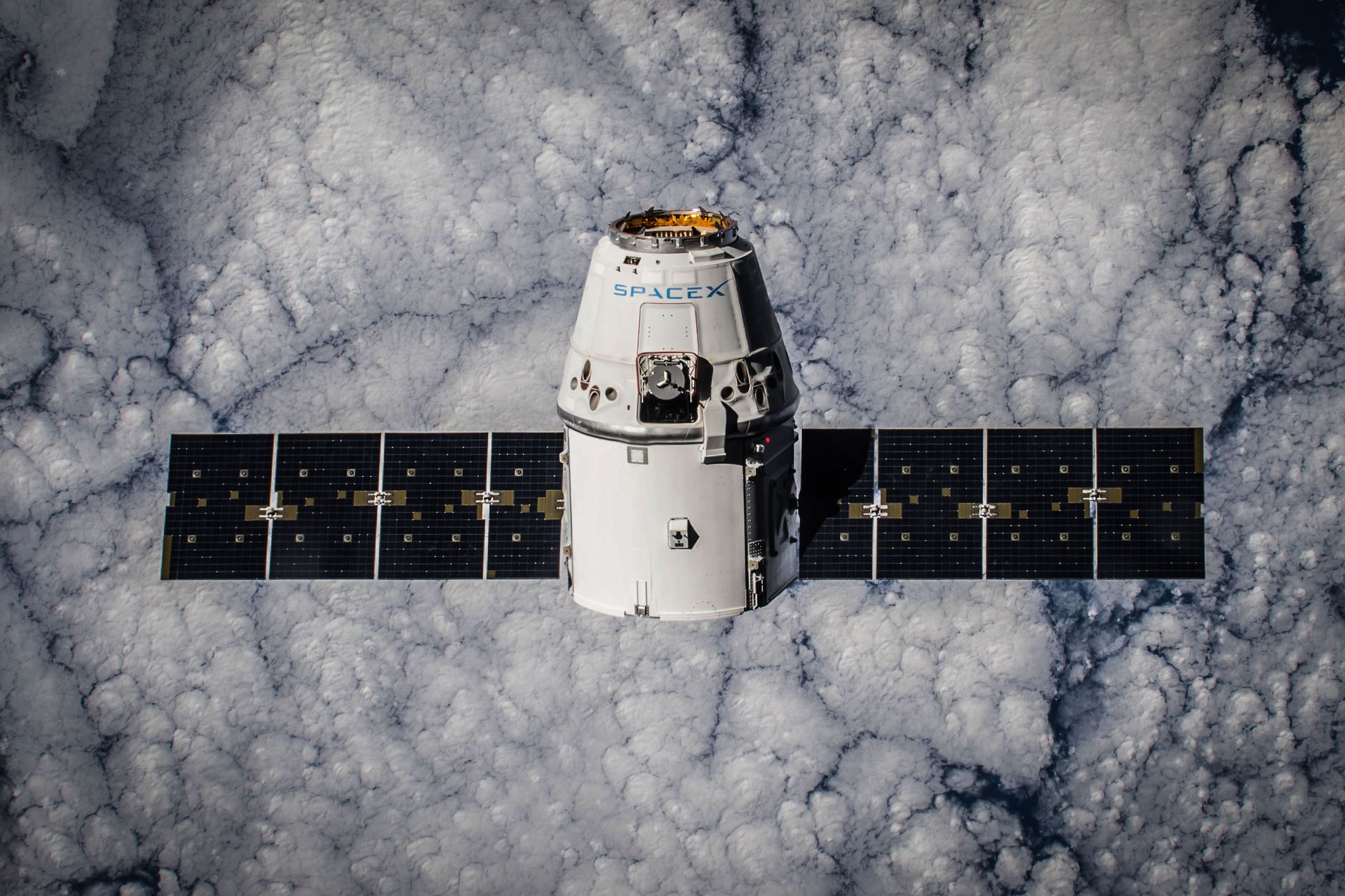
Photo by SpaceX on Pexels
Where this came from
Related reading
- iOS 27.0.1 Update: Best Proven Features for Users
- Food infrastructure grants: Are they worth the investment?
- Funding for Cyber Startups: The Best Proven Strategies