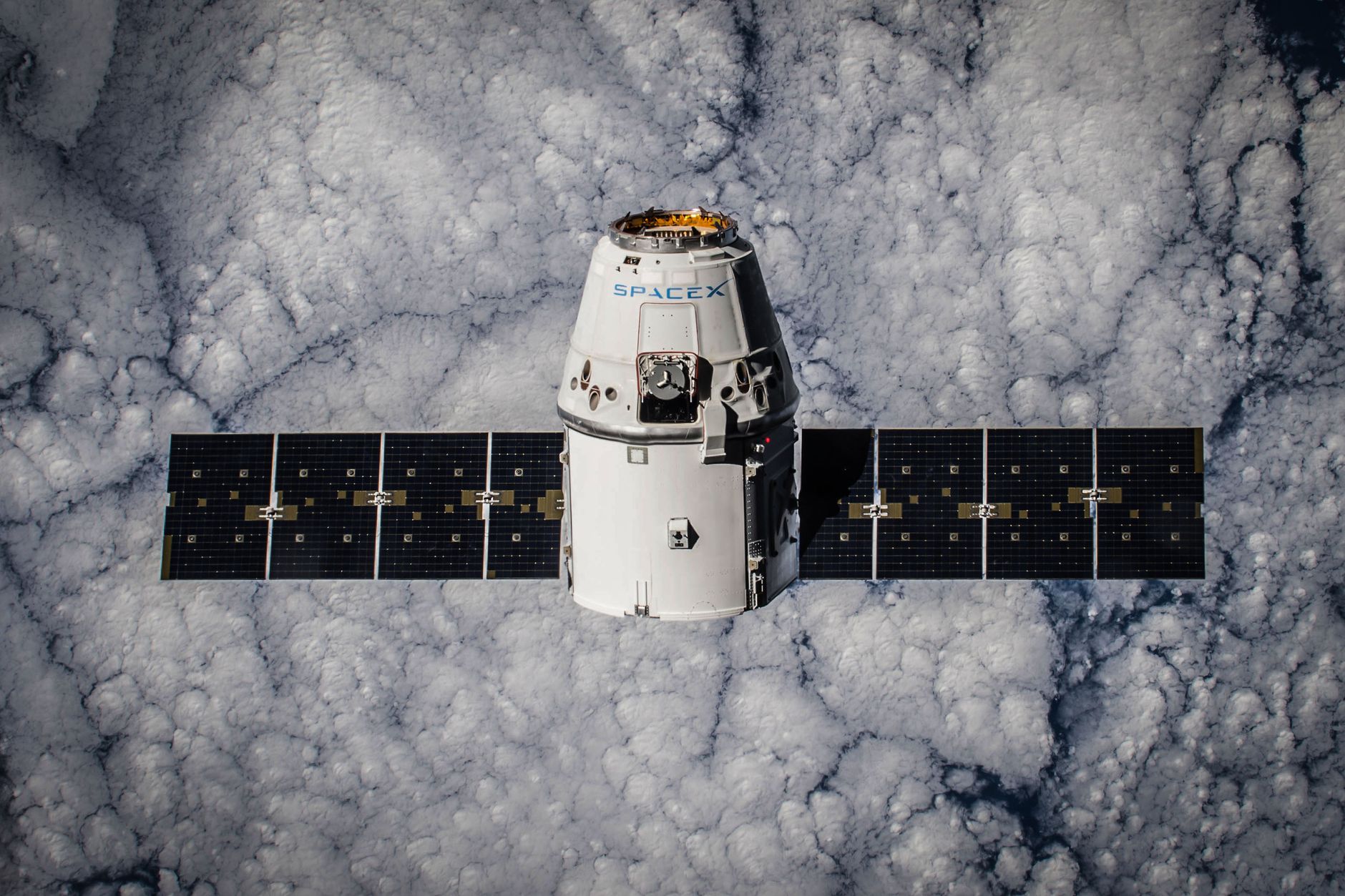
Shenzhou-24 manned spaceship is a remarkable achievement for China’s space exploration efforts, successfully entering its designated orbit.
Overview of Shenzhou-24 Mission
The Shenzhou-24 manned spaceship has successfully completed its mission, marking a significant achievement for China’s space program. Launched aboard a Long March 2F rocket, the spacecraft reached its designated orbit, demonstrating the capabilities of China’s growing space technology.
This mission involved a range of objectives aimed at advancing space exploration and research. Key highlights include:
- Transporting astronauts to the Tiangong space station for scientific experiments.
- Testing new technologies that will be crucial for future missions.
- Enhancing international cooperation in space exploration.
With this successful operation, the Shenzhou-24 manned spaceship reinforces China’s commitment to becoming a leader in space exploration and opens new avenues for future endeavors in the cosmos.
Significance of Manned Spaceflight
The successful launch of the Shenzhou-24 manned spaceship marks a significant milestone in China’s space exploration efforts. This mission not only demonstrates China’s advancing capabilities in space technology but also enhances its position in the global space community.
Manned spaceflight plays a crucial role in various scientific and technological advancements, such as:
- Understanding Human Endurance: Studying the effects of long-duration space travel on the human body.
- International Collaboration: Fostering partnerships with other nations for joint space exploration initiatives.
- Technological Innovations: Driving advancements in aerospace technology that can benefit other industries.
Moreover, missions like Shenzhou-24 inspire future generations to pursue careers in science, technology, engineering, and mathematics (STEM), ensuring a continuous influx of talent for future explorations.
Shenzhou-24 Manned Spaceship Launch Details
The launch of the Shenzhou-24 manned spaceship took place on October 15, 2023, marking another significant milestone in China’s space endeavors. The spacecraft was lifted into orbit from the Jiuquan Satellite Launch Center, located in the Gobi Desert. This successful mission demonstrates China’s growing capabilities in manned spaceflight.
The Shenzhou-24 mission aims to facilitate a range of experiments and technology demonstrations that are crucial for the future of space exploration. Key details of the launch include:
- The rocket used was a Long March 2F, known for its reliability in launching crewed missions.
- The spacecraft is expected to remain in orbit for approximately 30 days, allowing for extensive research and data collection.
- Three astronauts are onboard, contributing to both scientific research and technical assessments during their time in space.
This launch underscores China’s commitment to advancing its space program and establishing a stronger presence in the realm of manned space exploration.
China’s Advancements in Space Technology
China’s advancements in space technology have reached remarkable heights with the success of the Shenzhou-24 manned spaceship. This mission represents a culmination of years of research and development, showcasing China’s growing capabilities in the field of aerospace.
Key developments contributing to this success include:
- Innovative Engineering: The design and construction of the Shenzhou-24 exemplify cutting-edge engineering techniques that enhance performance and safety.
- Advanced Propulsion Systems: The use of state-of-the-art propulsion systems ensures efficient orbital insertion and maneuvering capabilities.
- International Collaboration: Collaborations with global space agencies have fostered knowledge exchange and technological improvements.
As China continues to excel in space exploration, the Shenzhou-24 manned spaceship stands as a testament to the nation’s commitment to pushing the boundaries of human spaceflight.
Future Missions Planned by China
As China celebrates the successful launch of the Shenzhou-24 manned spaceship, plans for future missions are already in the pipeline. The nation’s space agency is focused on expanding its capabilities and reaching new milestones in manned space exploration.
Future missions are expected to include:
- Construction of a permanent space station: Following the success of Shenzhou-24, China aims to establish a fully operational space station by 2025.
- Deep space exploration: Ambitious plans are in place to send crewed missions to the Moon and beyond, with lunar bases being a long-term goal.
- International partnerships: China is looking to collaborate with other spacefaring nations to enhance research and development in space technology.
These initiatives signify China’s commitment to becoming a leading force in the global space race, promising exciting advancements in the coming years.
Public Reception of the Shenzhou-24 Launch
The launch of the Shenzhou-24 manned spaceship has garnered widespread enthusiasm and support from the public. Citizens across China have expressed their pride in the nation’s advancements in space exploration, celebrating this significant achievement as a testament to the country’s growing capabilities in technology and science.
Social media platforms have been flooded with messages of congratulations and excitement, as many users share their hopes for future missions and the potential for further discoveries. Key points from public reactions include:
- Increased national pride: Many feel a deep sense of pride in China’s space program and its achievements.
- Inspiration for young generations: The mission is seen as a motivation for students to pursue careers in science and engineering.
- Global recognition: The successful launch has positioned China as a leader in space exploration on the world stage.
Overall, the public reception highlights the significance of the Shenzhou-24 manned spaceship in fostering a sense of unity and ambition among the Chinese population.
Sources
Related reading
- Intel Core Ultra 4000 Specs: The Best Preliminary Insights
- Gopuff and Meta partnership: Is it the Best Solution for Essentials?
- Huawei Mate 90 Air specs: The Best Upgrade Yet?