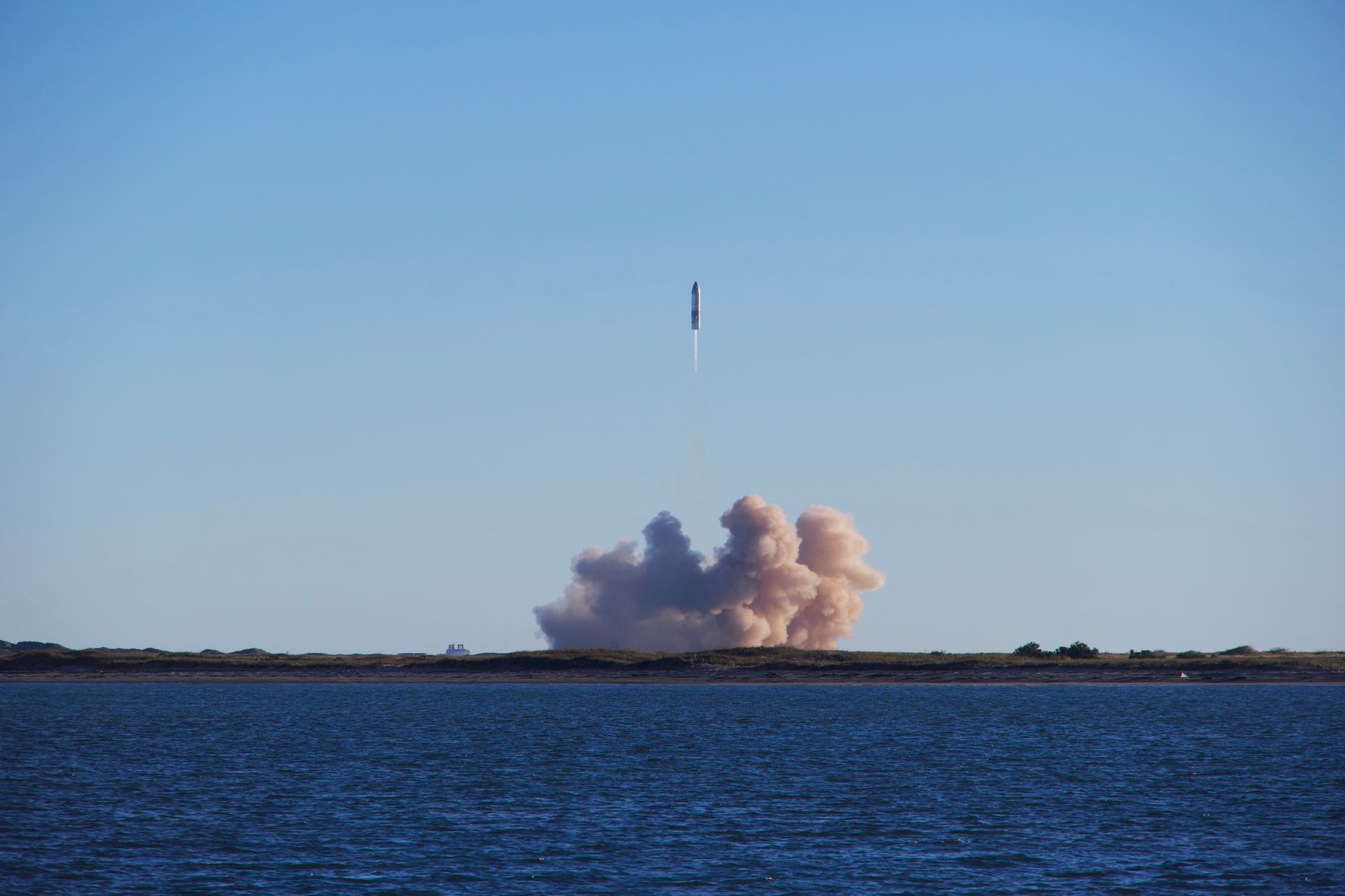
South Korea rocket launch plans are gaining momentum as the country prepares for its debut in space exploration. With China also lining up four launches, the competitive landscape is heating up.
Overview of South Korea’s Rocket Plans
South Korea’s ambitious rocket launch plans are gaining momentum as the nation aims to establish itself as a key player in the global space industry. With a focus on developing advanced technology, South Korea has outlined a series of objectives for its upcoming rocket launches.
The government’s strategy includes:
- Enhancing satellite capabilities: South Korea plans to deploy satellites for various applications, including communication and Earth observation.
- Developing launch vehicles: Continued investment in indigenous launch vehicles is essential for future space missions.
- International collaboration: Partnering with other countries will help to share knowledge and resources, boosting the country’s space ambitions.
As South Korea prepares for its rocket launch, the nation is not only focused on technological advancements but also on building a robust infrastructure to support its space endeavors. The successful execution of these plans could cement South Korea’s position in the competitive aerospace sector.
China’s Upcoming Launches
As South Korea prepares for its upcoming rocket launch, attention is also turning to China’s ambitious plans in the aerospace sector. Recent reports indicate that China is set to conduct four significant launches in the coming months, showcasing its growing capabilities in space exploration.
These launches are part of China’s broader strategy to strengthen its presence in space and could have implications for regional dynamics, especially in light of South Korea’s rocket launch ambitions. The simultaneous developments raise questions about competition and collaboration in the field of space technology.
Key details of China’s upcoming launches include:
- Launch Vehicle: Multiple types, including the Long March series.
- Objectives: Satellite deployments, scientific research, and international collaborations.
- Timeline: Scheduled over the next few months, coinciding with South Korea’s rocket launch plans.
As both nations advance their aerospace initiatives, the global space landscape is set for exciting changes.
Comparing Space Programs
The race to establish a strong presence in space has intensified in recent years, with various countries developing their own unique strategies. South Korea’s rocket launch ambitions are part of a broader effort to enhance its technological capabilities and assert its position in the global space arena.
When comparing space programs, several factors come into play:
- Investment: Countries like the United States and China allocate substantial funds to their space initiatives, while South Korea is gradually increasing its budget to support its rocket launch endeavors.
- Technology: Advanced technologies, such as reusable rockets, are crucial for future missions. South Korea is focusing on developing its own technologies to compete effectively.
- International Collaboration: Partnerships with established space agencies can provide vital expertise and resources, helping South Korea enhance its capabilities.
As these nations push forward, the success of South Korea’s rocket launch will depend on strategic planning and execution.
Technological Innovations in Rocketry
South Korea’s ambitious plans for its rocket launch are underpinned by significant technological innovations that set the nation apart in the global space race. These advancements are not only aimed at achieving successful launches but also at enhancing the capabilities of their space program.
Among the key innovations are:
- Enhanced Propulsion Systems: South Korea is developing advanced propulsion technologies to improve payload capacity and efficiency.
- Reusable Rocket Components: To reduce costs, the country is focusing on creating reusable rocket technologies, similar to those pioneered by leading space agencies.
- Satellite Technology: State-of-the-art satellite technology is being integrated to ensure precise tracking and communication during launches.
- Collaborative Research: Partnerships with international space organizations have fostered knowledge exchange, accelerating innovation.
These technological strides are critical as South Korea prepares for its upcoming rocket launch, positioning the nation for future successes in space exploration.
International Collaboration in Space
As South Korea prepares for its upcoming rocket launch, international collaboration plays a crucial role in shaping the nation’s space ambitions. By partnering with various countries and organizations, South Korea aims to enhance its technological capabilities and share valuable knowledge.
Notable collaborations include:
- Joint Research Initiatives: South Korea has engaged in joint projects with space agencies, focusing on satellite technology and launch systems.
- Technology Exchange Programs: These programs facilitate the sharing of expertise, allowing South Korean engineers to learn from established space powers.
- International Launch Partnerships: Collaborating with countries like the United States and Japan helps South Korea secure access to advanced launch facilities.
These partnerships not only bolster South Korea’s rocket launch efforts but also position the country as a key player in the global space arena. As the nation looks to the future, continued collaboration will be essential for achieving long-term success in space exploration.
Challenges Facing New Launches
As South Korea prepares for its rocket launch, several challenges remain that could impact the success of these missions. One significant hurdle is the need for advanced technology that can compete on a global scale. Many analysts argue that while South Korea has made impressive strides, it still lags behind established space powers.
Another challenge is the regulatory environment surrounding space exploration. Strict regulations can delay launches and increase costs, making it essential for South Korea to streamline its processes to foster a more efficient launch schedule.
Additionally, securing funding for ongoing research and development is critical. The competition from neighboring nations, particularly China, which is planning multiple launches, adds pressure to South Korea’s space ambitions.
Lastly, achieving reliable partnerships with international space agencies could enhance South Korea’s capabilities. Collaboration may provide the necessary expertise and resources to overcome these challenges and ensure the success of future rocket launches.
Future of Space Exploration
The future of space exploration in South Korea looks promising as the nation aims to solidify its presence in the global aerospace arena. With the recent South Korea rocket launch marking a significant milestone, the country has laid a strong foundation for future endeavors.
As advancements in technology continue, South Korea is expected to enhance its capabilities in satellite deployment and interplanetary missions. This ambition is reflected in their plans to develop more robust launch vehicles and expand their scientific research initiatives.
Moreover, collaborations with other nations will play a critical role in achieving these objectives. By partnering with established space agencies, South Korea can share knowledge, resources, and expertise, accelerating its journey towards successful missions.
The ongoing commitment to innovation and international cooperation positions South Korea as a key player in the next chapter of space exploration, paving the way for groundbreaking discoveries and advancements in the years to come.
Public Interest in Space Missions
The recent developments in South Korea’s rocket launch initiatives have sparked significant public interest in space missions. As the nation prepares for its first rocket launch, citizens are rallying around the advancements in technology and exploration. Many are eager to witness the historic moment, which is expected to elevate South Korea’s status in the global space community.
According to surveys, a large percentage of the population believes that successful rocket launches will inspire future generations to pursue careers in science and engineering. This enthusiasm is further fueled by educational campaigns aimed at raising awareness about space technology and exploration.
Social media platforms are buzzing with discussions about South Korea’s rocket launch plans. Enthusiasts and experts alike are sharing insights and updates, fostering a sense of community. Overall, the excitement surrounding these missions demonstrates a growing appreciation for space exploration and its potential benefits for society.
The South Korea rocket launch has demonstrated the nation’s commitment to advancing its space program. Following the best proven steps to success, engineers meticulously planned each phase of the South Korea rocket launch.
By U.S. Department of Defense Current Photos via Openverse
Read the original
Related stories
- Vivo X500 Ultra camera: Is it the best 200MP option?
- Sonic Racing patch notes: The Best Complete Guide
- Is the Jio 1000GB Plan Worth It? A Clear Analysis