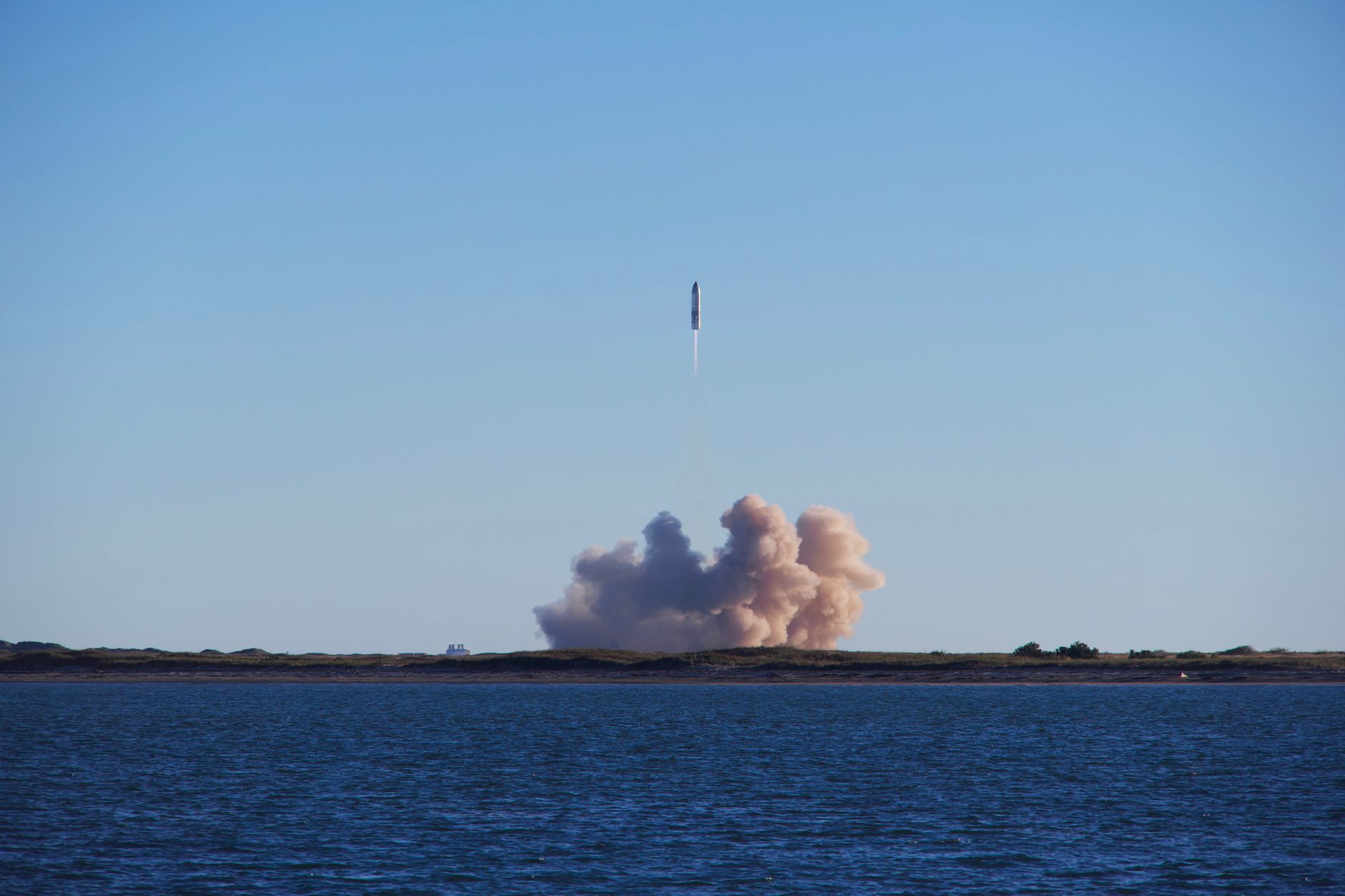
South Korea NURI launch has successfully sent 15 satellites into space, marking a significant milestone in the country’s space ambitions.
Overview of the NURI Launch
The recent South Korea NURI launch marks a significant milestone in the nation’s quest to establish a robust presence in space exploration and satellite deployment. On this occasion, the fifth launch of the NURI rocket successfully placed 15 satellites into orbit, showcasing South Korea’s growing capabilities in aerospace technology.
This launch is part of a broader strategy aimed at developing a comprehensive space network that can support various applications, including telecommunications, earth observation, and scientific research. The NURI rocket, also known as the Korea Space Launch Vehicle II (KSLV-II), is designed to carry payloads of up to 1.5 tons, making it a key asset in South Korea’s space ambitions.
As the country continues to invest in its space program, the NURI launch is seen as a crucial step toward achieving independence in satellite technology and enhancing national security. Industry experts believe that by establishing its own space network, South Korea can reduce its reliance on foreign satellite services and improve its technological prowess.
Looking ahead, the South Korea NURI launch sets the stage for future missions, including plans for lunar exploration and potential collaboration with international space agencies. As nations worldwide race to expand their reach in space, South Korea’s commitment to advancing its space capabilities is becoming increasingly evident.
Significance of the 15 Satellites
The successful launch of the NURI rocket by South Korea, which carried 15 satellites into space, marks a pivotal moment for the nation’s ambitions in space exploration and technology. This mission not only showcases South Korea’s growing capabilities in the aerospace sector but also emphasizes its strategic intent to establish an independent space network.
The significance of these 15 satellites cannot be overstated, as they are designed to enhance various sectors including telecommunications, environmental monitoring, and scientific research. Each satellite plays a crucial role in building a robust infrastructure that supports the nation’s technological advancements.
- Telecommunications: The satellites will improve connectivity, enabling faster and more reliable communication services across the region.
- Environmental Monitoring: With advanced sensors, these satellites will help track climate change effects and natural disasters, providing critical data for mitigation strategies.
- Scientific Research: The launch facilitates comprehensive research opportunities in space science, contributing to global knowledge and innovation.
Furthermore, the NURI launch represents South Korea’s commitment to fostering collaboration with international space agencies while asserting its position as a significant player in the global space arena. As the nation continues to develop its space program, the successful deployment of these satellites underscores the potential for a comprehensive and interconnected space network, paving the way for future advancements.
South Korea’s Growing Space Ambitions
South Korea is rapidly advancing its space ambitions, with the recent NURI launch marking a significant milestone in the nation’s journey toward becoming a key player in the global space industry. The successful deployment of 15 satellites is not just a demonstration of technological capability but also an indicator of South Korea’s strategic vision for a comprehensive space network.
In the past decade, South Korea has invested heavily in space exploration and satellite technology, aiming to reduce its reliance on foreign space capabilities. This investment is evident in the growing number of launches and the development of indigenous technologies. The NURI program, in particular, has become a cornerstone of this effort, showcasing the nation’s commitment to building a robust space infrastructure.
As South Korea continues to enhance its technological prowess, several key goals are driving its space agenda:
- National Security: Building an independent satellite system enhances South Korea’s defense capabilities.
- Economic Growth: The burgeoning space industry presents opportunities for innovation and job creation.
- International Collaboration: South Korea seeks partnerships with other countries to share knowledge and resources.
With each successful launch, including the latest NURI launch, South Korea is not only expanding its technological horizons but also asserting its position in the global space arena.
What This Means for Global Space Exploration
The recent South Korea NURI launch marks a pivotal moment in the realm of global space exploration, signaling not only technological advancements but also a shift in strategic partnerships. As South Korea successfully deployed 15 satellites into orbit, it has showcased its growing capabilities in satellite technology and space research.
This development is expected to foster increased collaboration among nations, particularly in the fields of communication, Earth observation, and scientific research. By establishing a more robust presence in space, South Korea is positioning itself as a key player in international space initiatives.
Moreover, the NURI launch reflects a broader trend of countries investing in their own space networks. This shift is likely to enhance regional security and encourage shared technology development among nations. The implications extend beyond South Korea, as other countries may seek to bolster their own space programs in response to this achievement.
- Enhanced Communication: The satellites deployed can improve communication capabilities, benefiting both military and civilian sectors.
- Scientific Research: The satellites will facilitate advanced research in areas such as climate monitoring and disaster response.
- International Collaboration: Strengthened ties with other nations will likely lead to joint missions and shared technological advancements.
In summary, the NURI launch not only showcases South Korea’s ambitions but also signifies a new era of cooperative exploration and innovation in space.
Challenges Facing the NURI Program
Despite the successful South Korea NURI launch, the program faces several significant challenges that could impact its future endeavors. As the country aims to establish a robust space network, addressing these obstacles is crucial to its overarching ambitions.
- Technical Hurdles: The NURI launch program has encountered various technical difficulties, particularly in the precision of satellite deployment. Ensuring that satellites are accurately positioned in their intended orbits remains a critical challenge.
- Funding Constraints: Sustaining funding for space initiatives is a perennial concern. The South Korean government must balance investments in the NURI program with other pressing needs, which could hinder the pace of development.
- International Competition: As global interest in space exploration intensifies, South Korea faces stiff competition from established spacefaring nations. This competition not only challenges its technological advancements but also its ability to collaborate on international missions.
- Political Factors: Geopolitical tensions in the region can impact space cooperation and funding. Any shifts in political dynamics may lead to uncertainties regarding budget allocation and international partnerships.
Addressing these challenges will be essential for the NURI program to not only thrive but also to help South Korea solidify its place in the global space exploration landscape.
Future Plans for South Korea’s Space Endeavors
As South Korea continues to expand its presence in the global space arena, future plans for South Korea’s space endeavors are becoming increasingly ambitious. The successful NURI launch marks a significant milestone, yet it is only the beginning of a broader vision to establish a robust space network.
South Korea aims to enhance its capabilities in satellite development, launch technology, and space exploration. Key future initiatives include:
- Satellite Development: Plans are underway to develop more advanced satellites that can support various applications, including scientific research, weather forecasting, and telecommunications.
- International Collaboration: South Korea seeks to partner with other nations and space agencies to share knowledge, resources, and technology, thus strengthening its position in the global space community.
- Manned Space Missions: Future aspirations include sending astronauts into space, which would demonstrate South Korea’s growing capabilities and commitment to space exploration.
- Deep Space Exploration: South Korea is also looking to participate in deep space missions, including lunar exploration, which could pave the way for potential colonization efforts.
Through these initiatives, the South Korea NURI launch represents not just a momentous achievement, but a strategic move towards building a comprehensive space network that could redefine its role in global space exploration.
The South Korea NURI launch marks a significant milestone in the nation’s ambition to expand its presence in the global space industry. By investing in advanced technologies, the South Korea NURI launch aims to enhance communication capabilities and foster international collaborations.
References
Related reading
Is the ASUS Radeon RX 9070 the Best Deal This Year? · iPhone updates issues: Worst signs of confusion revealed · Planet Labs Satellite Launch: A Smart Move for Global Coverage