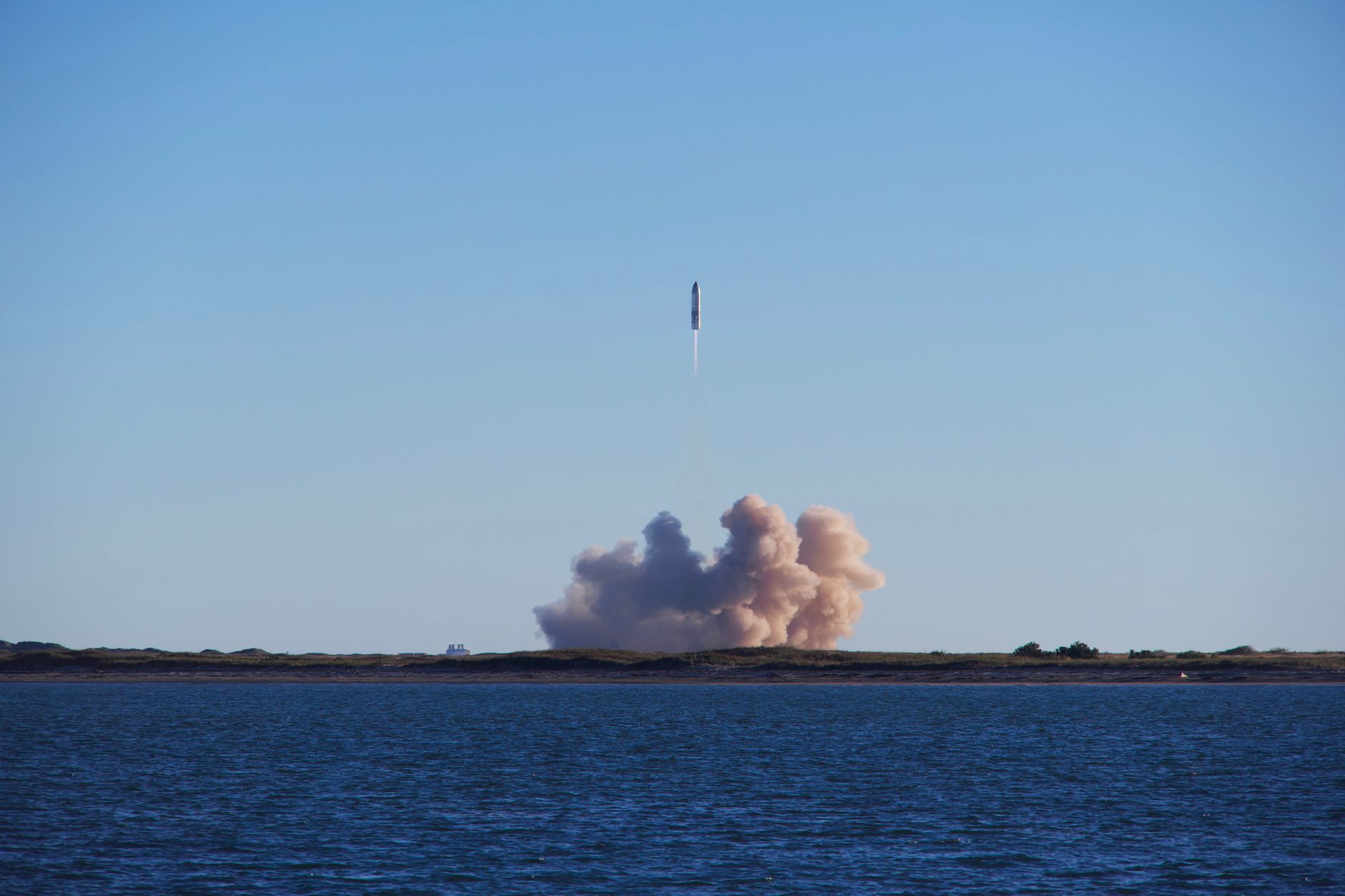
Isar Aerospace launch marks a pivotal moment in the aerospace industry. The German private company successfully launched a rocket from a spaceport in Norway, showcasing advancements in space technology.
Overview of Isar Aerospace
Isar Aerospace, a German private company, has recently made headlines with its successful rocket launch from a spaceport in Norway. This achievement marks an important milestone in the rapidly evolving space industry, showcasing the growing capabilities of private firms in space exploration. Founded in 2018, Isar Aerospace aims to provide cost-effective and reliable launch services for small satellites, tapping into the expanding market for satellite deployment.
The company’s flagship rocket, named Spectrum, is designed to deliver payloads of up to 300 kilograms into low Earth orbit. With a focus on sustainability, Isar Aerospace utilizes environmentally friendly propellants, which sets it apart from many traditional launch providers. This commitment not only enhances the appeal of their services but also addresses increasing concerns over space debris and environmental impact.
In the lead-up to the launch, Isar Aerospace underwent rigorous testing and development phases, ensuring the rocket’s performance and reliability. The successful launch has garnered attention from investors and industry experts, positioning Isar Aerospace as a competitive player in the global space market.
As the space industry continues to grow, companies like Isar Aerospace are paving the way for future innovations in rocket technology and satellite deployment. With the recent launch, many are left wondering: Is the Isar Aerospace launch the best rocket success story yet?
Details of the Norway launch
On a recent day in Norway, Isar Aerospace achieved a significant milestone with its successful rocket launch, marking a pivotal moment in the realm of private space exploration. This event took place at a designated spaceport, showcasing the growing capabilities of European aerospace companies. The mission aimed to demonstrate not only the technical prowess of Isar Aerospace but also the potential for future commercial launches.
The rocket, equipped with advanced technology, was designed to deliver payloads into orbit efficiently. The launch was characterized by a series of carefully synchronized steps, each crucial for a successful deployment. Observers noted the impressive trajectory and performance of the rocket as it ascended into the skies, further solidifying Isar Aerospace’s reputation in the industry.
Key details of the launch included:
- Date: The launch occurred on a clear day, ideal for such operations.
- Launch Site: The rocket was launched from a spaceport in Norway, chosen for its strategic advantages.
- Payload: The mission successfully carried multiple small satellites, showcasing the company’s commitment to supporting a growing market.
- Future Prospects: This successful launch positions Isar Aerospace as a contender in the competitive landscape of commercial spaceflight.
As Isar Aerospace continues to innovate, this latest launch further cements its status in the rocket success story of the modern era.
Impact on the aerospace industry
The recent Isar Aerospace launch from Norway marks a significant milestone in the aerospace industry, particularly for private companies aiming to reduce the costs of accessing space. As commercial space endeavors continue to grow, innovations like those demonstrated by Isar Aerospace could reshape how satellite deployment is approached.
Industry experts suggest that the success of this launch is indicative of a broader trend where private enterprises take on roles traditionally held by government agencies. The implications of this shift are profound:
- Increased Competition: The entry of private players like Isar Aerospace fosters a competitive environment, driving down launch costs and prompting advancements in technology.
- Accessibility: More successful launches mean that small satellite operators can access space more affordably, expanding opportunities for startups and innovation.
- Partnerships: Collaborations between private companies and government space agencies are becoming more common, enhancing research and development efforts.
- Sustainability: As new technologies mature, there’s potential for increased emphasis on environmentally friendly practices in rocket launches.
The Isar Aerospace launch serves not only as a testament to the company’s capabilities but also as a signal of changing dynamics in the aerospace sector. As private companies continue to thrive, the future of space exploration and satellite deployment looks promising.
Future plans for Isar Aerospace
Isar Aerospace has ambitious plans for the future as it seeks to solidify its position in the rapidly evolving space industry. Following the recent Isar Aerospace launch from Norway, the company aims to expand its capabilities and services to meet the growing demand for satellite deployment.
The company’s roadmap includes:
- Increased Launch Frequency: Isar Aerospace intends to enhance its launch schedule to cater to a wider range of clients, anticipating an uptick in commercial satellite launches.
- Technology Development: Continued investment in advanced rocket technology is a priority. This includes improvements in propulsion systems and payload capacity to ensure competitive pricing and reliability.
- International Partnerships: Isar Aerospace plans to forge strategic alliances with other aerospace companies and research institutions across the globe, aiming to collaborate on innovative projects and expand its market reach.
- New Launch Sites: The company is exploring additional launch sites beyond Norway, which will help diversify its operations and reduce logistical constraints.
As Isar Aerospace progresses, it will also focus on sustainability, looking to develop eco-friendly propulsion systems that minimize environmental impact. With these initiatives in place, Isar Aerospace is positioning itself as a key player in the future of space exploration.
Comparing private space companies
The rise of private space companies has transformed the aerospace industry, with numerous players striving to leave their mark. Among these, Isar Aerospace has emerged as a significant contender, especially following their recent successful launch from a spaceport in Norway. However, comparing Isar Aerospace to other private space firms reveals a diverse landscape of innovation and competition.
Some notable companies in this sector include:
- SpaceX: Pioneering reusable rocket technology, SpaceX has set numerous records and significantly reduced launch costs.
- Rocket Lab: Known for its Electron rocket, Rocket Lab focuses on small satellite launches, making it a key player in the small satellite market.
- Blue Origin: With a focus on suborbital flights and future lunar missions, Blue Origin aims to make space travel more accessible.
- Astra: This up-and-coming company emphasizes flexibility and rapid launch capabilities, catering to smaller payloads.
While companies like SpaceX have garnered much of the spotlight due to their ambitious goals and frequent launches, Isar Aerospace’s recent launch showcases its potential to carve out a niche in the competitive landscape. The Isar Aerospace launch not only highlights technological advancements but also emphasizes the importance of collaboration within the industry, as partnerships become essential for success.
What this means for space exploration
The recent Isar Aerospace launch from a spaceport in Norway marks a significant milestone in the quest for accessible space exploration. This successful mission not only showcases the technological advancements of private space ventures but also emphasizes the growing importance of international collaboration in the aerospace sector.
One of the key implications of this launch is the potential for reduced launch costs. By utilizing smaller, more efficient rockets, companies like Isar Aerospace can provide affordable options for satellite deployment, which could democratize access to space for a variety of organizations, including startups and research institutions.
Moreover, the successful launch signifies a shift in how space missions are conducted. As private companies take on larger roles in launching payloads, traditional space agencies may find new opportunities for partnerships. This collaboration can lead to shared resources and innovation, ultimately benefiting scientific research and technology development.
Additionally, the launch highlights the importance of sustainability in space exploration. As concerns about space debris and environmental impact grow, Isar Aerospace’s commitment to developing eco-friendly technologies could set a precedent for future missions.
- Increased accessibility for smaller organizations
- Opportunities for collaboration between private and public sectors
- Focus on sustainable practices in rocket development
Overall, the Isar Aerospace launch is a promising step forward, paving the way for a new era in space exploration and innovation.
The recent Isar Aerospace launch has captured the attention of the aerospace community, showcasing innovative designs and technology. Many experts are now debating whether the Isar Aerospace launch truly represents the best rocket success story of the year.
Photo by Forest Katsch on Pexels
References
- Oracle earnings report: Worst AI growth but Smart funding plan
- Open-Source AI Models: Proven Global Backbone for Innovation
- Oppo smartphone launch: Best Proven Features to Expect